
Documentary Wedding Photography in Manchester: A Complete Guide
Documentary wedding photography (also called reportage or photojournalistic wedding photography) is a style where the photographer captures your day as it genuinely unfolds - real moments, real emotions, and for the vast majority of the day, no staging or posing. Instead of directing you to "stand here, smile there," a documentary photographer works quietly in the background and photographs things as they happen. In the wedding industry, "documentary" usually means roughly 90% reportage, with a short, organised interlude of family group photos and relaxed couple portraits mixed in.
If you're planning a wedding in Manchester and want photos that feel honest and true to the day - rather than posed and formal - this is the style for you. This guide explains exactly what documentary wedding photography is, how it differs from other styles, what happens on the day, and how to choose the right documentary wedding photographer in Manchester.
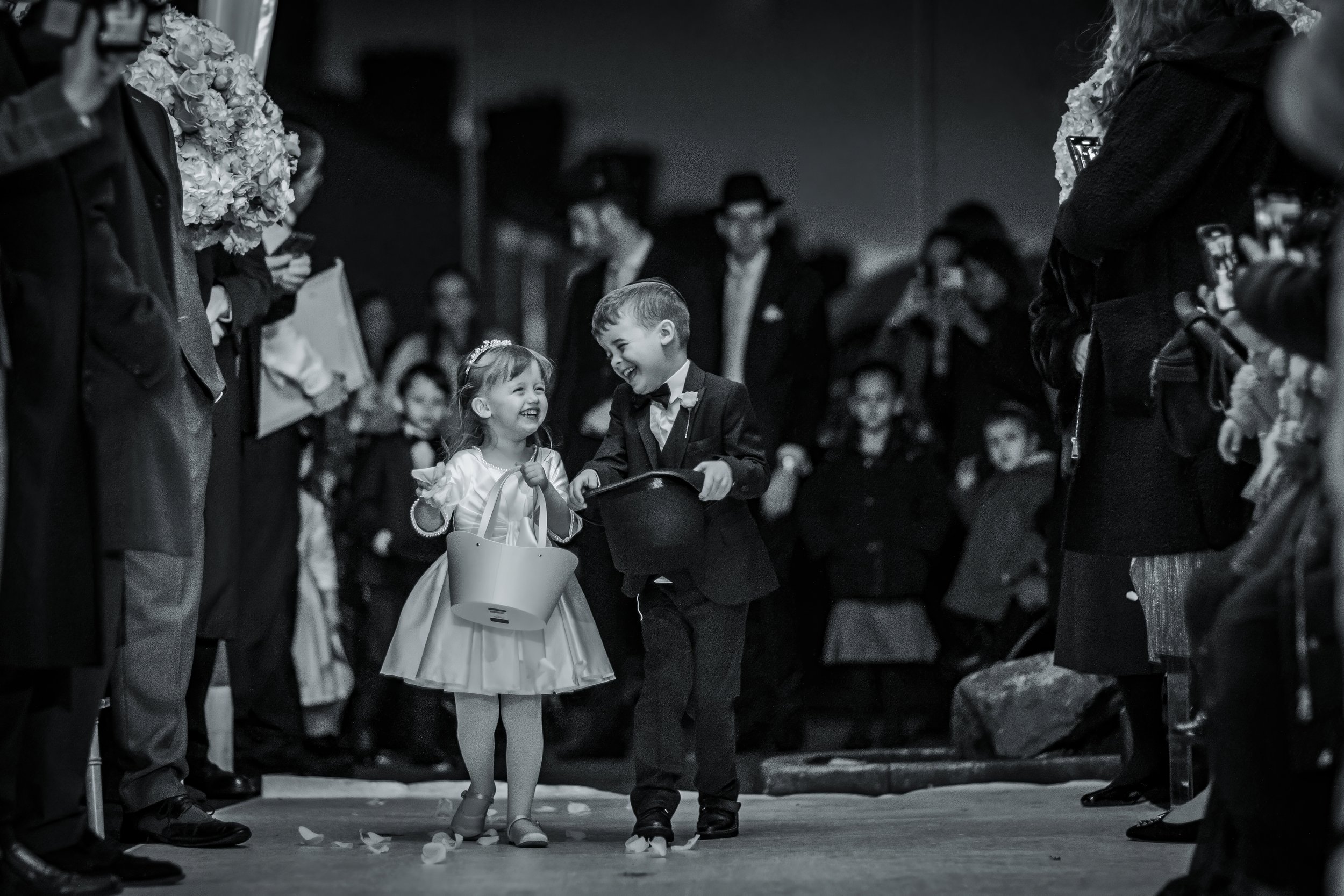
What is documentary wedding photography?
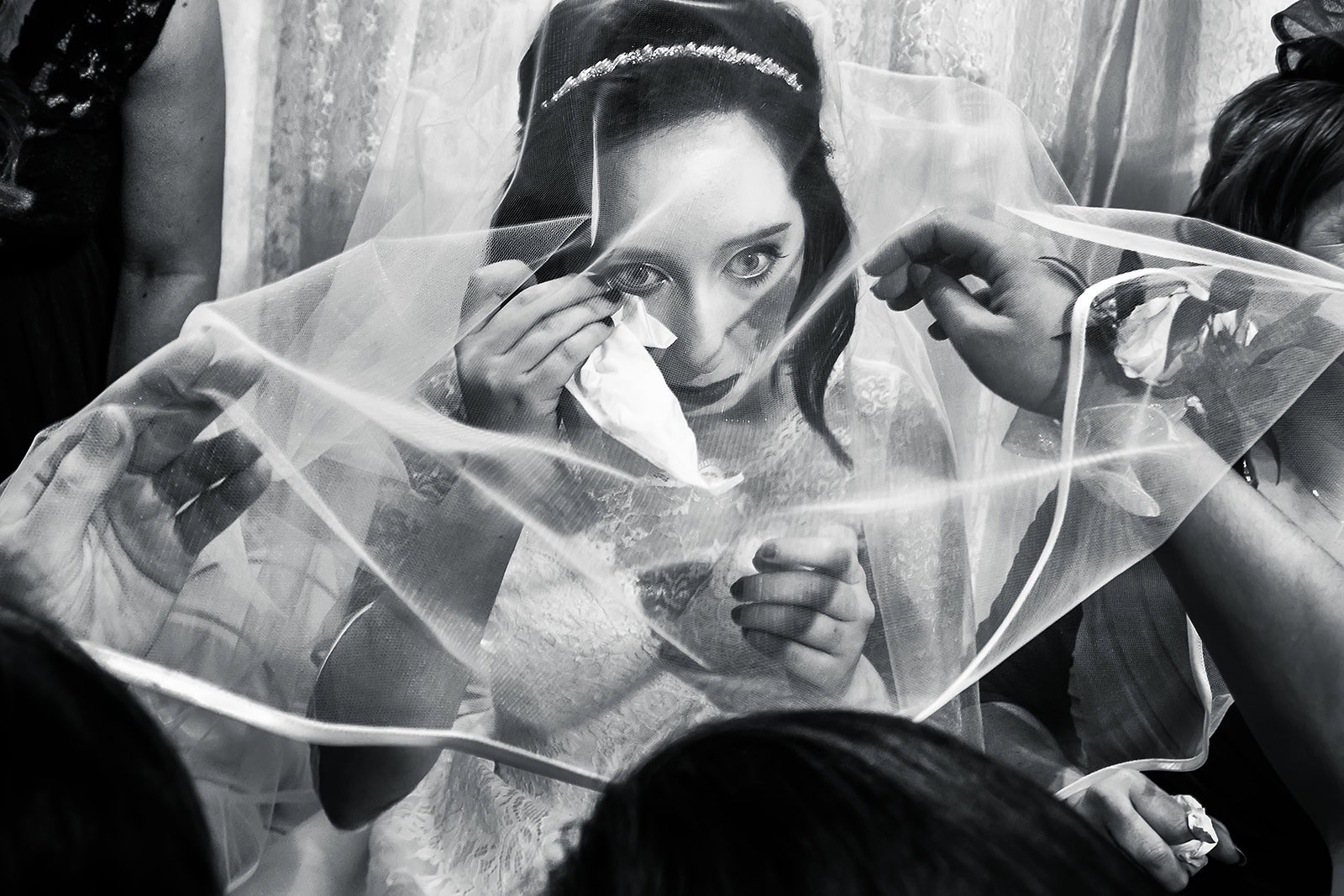
Documentary wedding photography is an approach where the photographer does not interfere with or direct the events of the day. They observe, anticipate and capture moments as they happen - the look on your partner's face as you walk down the aisle, the tear on your dad's cheek, the laughter during the speeches, the chaos of the dance floor.
The goal isn't to create a "perfect" posed photo. It's to create an honest record of the day - a set of images that, years later, take you straight back to how it actually felt.
The key principles:
No staging - the photographer doesn't set up or direct moments
Observation over direction - they watch and anticipate rather than instruct
Real emotions - genuine laughter, tears, hugs and glances
A complete story - from morning prep to the last dance
Unobtrusive presence - you should barely notice they're there
True reportage vs wedding-industry "documentary"
There's an important distinction worth understanding before you book:
True reportage (the purist version) means absolutely zero interference - no group photos, no posing, no directing, not even moving something out of the way of a shot. The photographer is a silent observer, a fly on the wall, and the images are entirely unscripted, however they fall.
"Documentary" (as used in the wedding industry) is typically around 90% reportage, with a few organised portraits and family group photos mixed in. The photographer still works unobtrusively for the vast majority of the day, but briefly steps in to arrange the formal family photos and lightly guide the couple portraits.
In short: true reportage is 100% observation. Wedding-industry "documentary" is reportage plus a short, planned interlude of portraits and group shots - so you get the honest, candid storytelling and the classic family photos most couples want.
Terminology note: "reportage" (from the French) and "photojournalistic" (from news photography) originally described the purist, zero-interference approach. In the UK wedding market, "documentary" has become the most common label, and most photographers use it to mean the 90/10 blend described above. If you're a purist who wants no intervention at all, tell your photographer - a good one will happily work in full reportage mode.
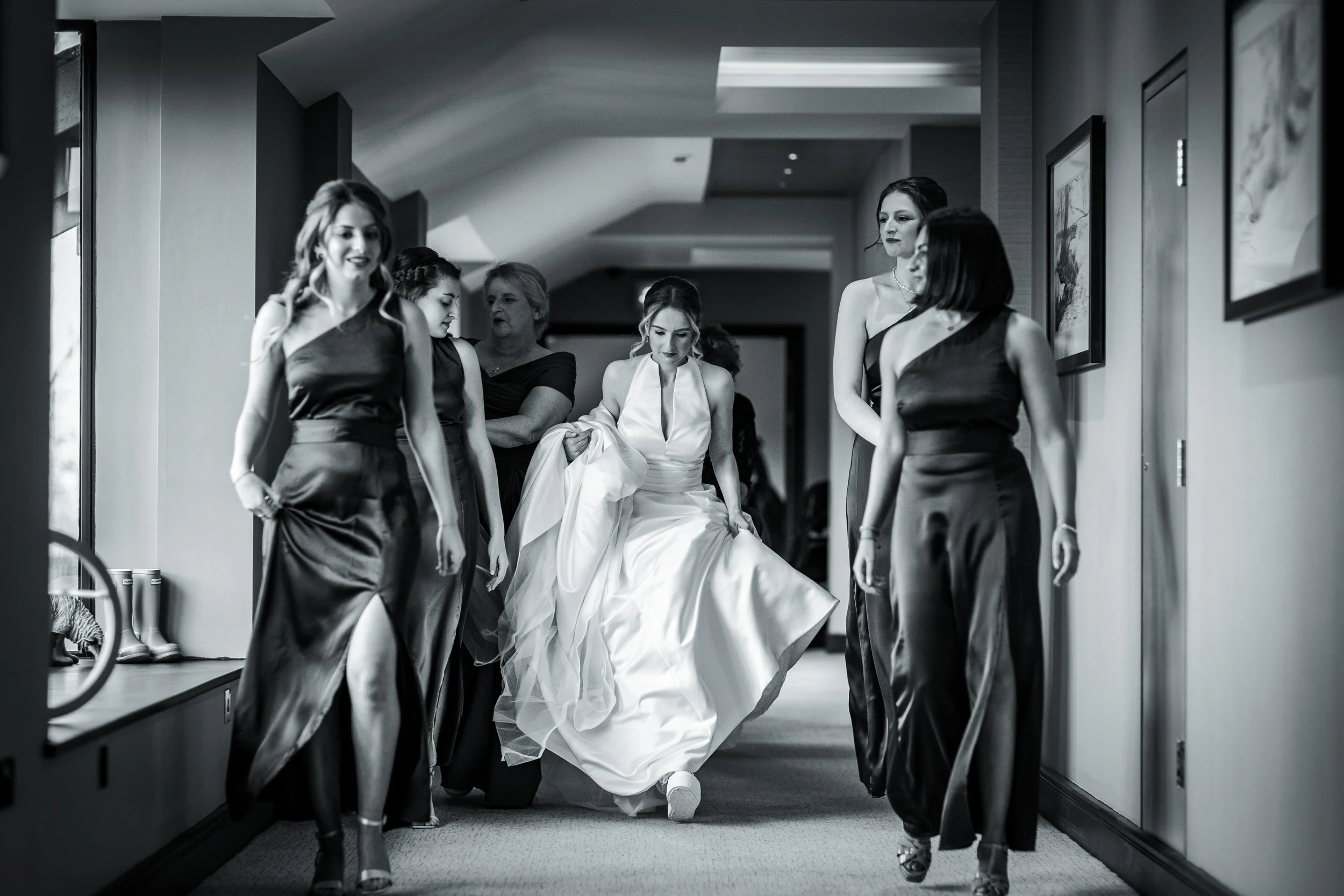
Documentary vs traditional vs fine art: the key differences
| Documentary (industry blend) | Traditional (classic) | Fine art / editorial | |
|---|---|---|---|
| Approach | Observes, doesn't direct | Directs and poses | Styles each shot for aesthetic perfection |
| Group photos | Yes, organised efficiently | Yes, formal line-ups | Yes, styled |
| Couple portraits | Guided, natural interaction | Posed | Heavily art-directed |
| The feel | Honest, real, emotional | Formal, classic, structured | Magazine-like, curated |
| Time spent posing | Minimal | Significant | Significant |
| Best for | Couples who want to enjoy the day | Couples who want classic formals | Couples who want an artistic look |
In practice, most documentary photographers aren't purists. The best ones will still organise your formal group photos (because you want them), guide your couple portraits (because nobody knows where to put their hands), and spend the rest of the day working invisibly in the background. The difference is emphasis: a documentary photographer leads with real moments, not posed ones.
Why couples choose documentary wedding photography
1. You actually get to enjoy your day
If you've ever been to a wedding where the photographer seemed to run the show - moving people around, stopping conversations, making everyone repeat the first kiss - you know how disruptive posed photography can be. A documentary approach means you spend your day with your family and friends, not performing for the camera.
2. The photos feel real, not staged
Ten years from now, you won't remember the pose. You'll remember the moment. Documentary photos capture the way it actually was - the genuine laughter, the unguarded glances, the happy tears.
3. You see moments you missed
No couple can be everywhere at once. A documentary photographer captures the moments you weren't there for - your mum's proud smile during the speeches, your friends' reactions, the flower girl practising her walk. Those are often the photos couples treasure most.
4. No awkward posing
Most people hate being photographed because they don't know what to do. Documentary photography removes that anxiety - you're never asked to pose, so you never feel awkward.
5. It ages well
Posed wedding photography trends come and go. Documentary photos are timeless because they're built on real emotion, not a trend.
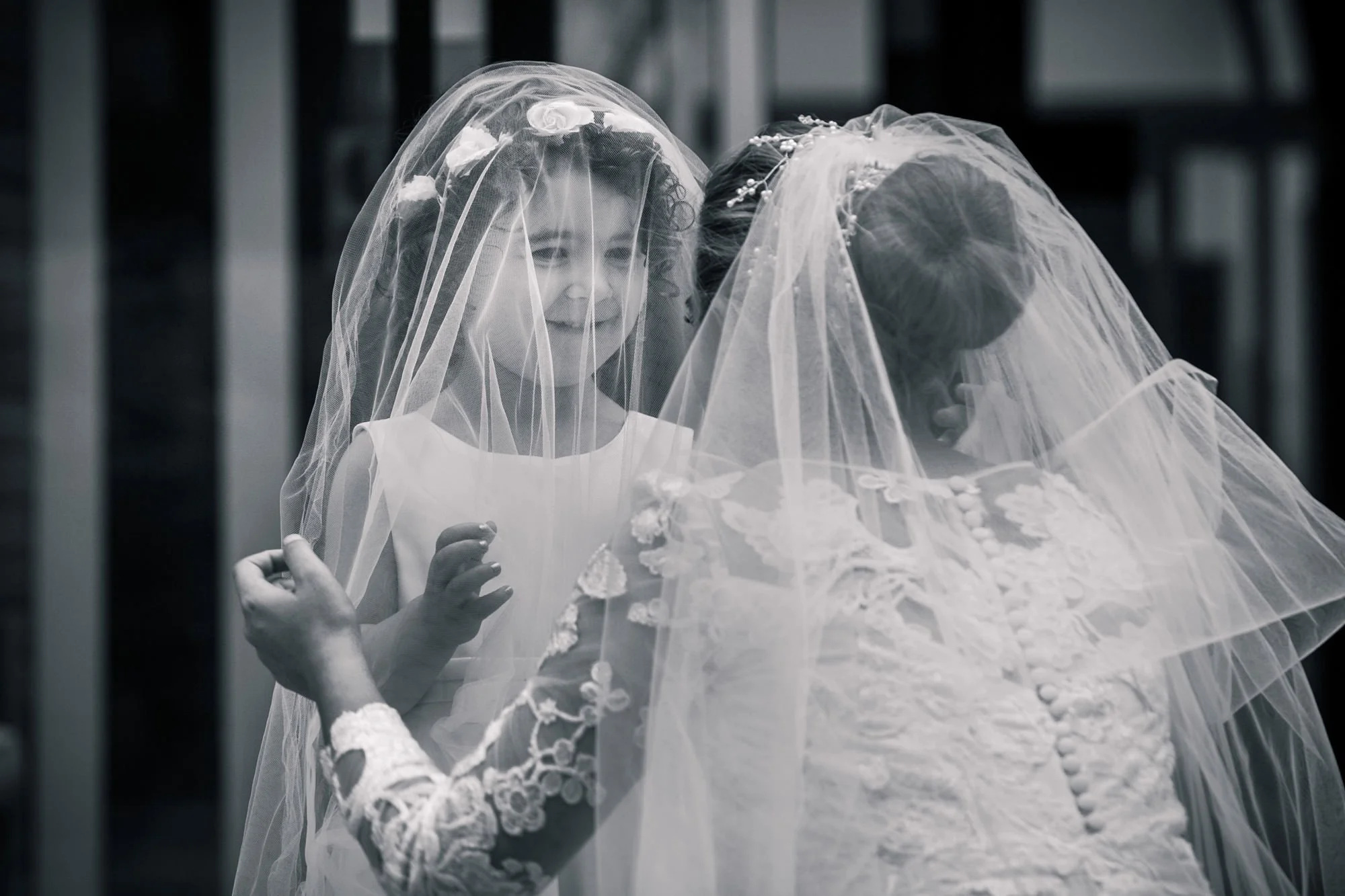
What a documentary wedding photographer actually does on the day
Here's what a documentary approach looks like in practice, from morning to last dance.
Morning preparations
Photographing the getting-ready process as it happens - the details, the nervous energy, the small interactions. No "pretend to do up the dress" shots. Just honest moments.
The ceremony
Working discreetly from the edges, capturing the real reactions - the walk down the aisle, the exchange of rings, the first kiss, the guests' faces. Most couples won't even notice a good documentary photographer is there.
Confetti & drinks reception
This is documentary photography's natural habitat - spontaneous, unscripted interaction. Real hugs, real congratulations, real laughter.
Couple portraits
Even a documentary photographer will take some time for portraits. The difference is the approach: gentle guidance and prompts that create natural interaction, rather than rigid posing. The goal is a photo of the two of you being yourselves, not standing like mannequins.
Speeches & first dance
The most emotionally rich part of the day. A documentary photographer anticipates - positioned to catch the reactions as much as the speaker.
The party
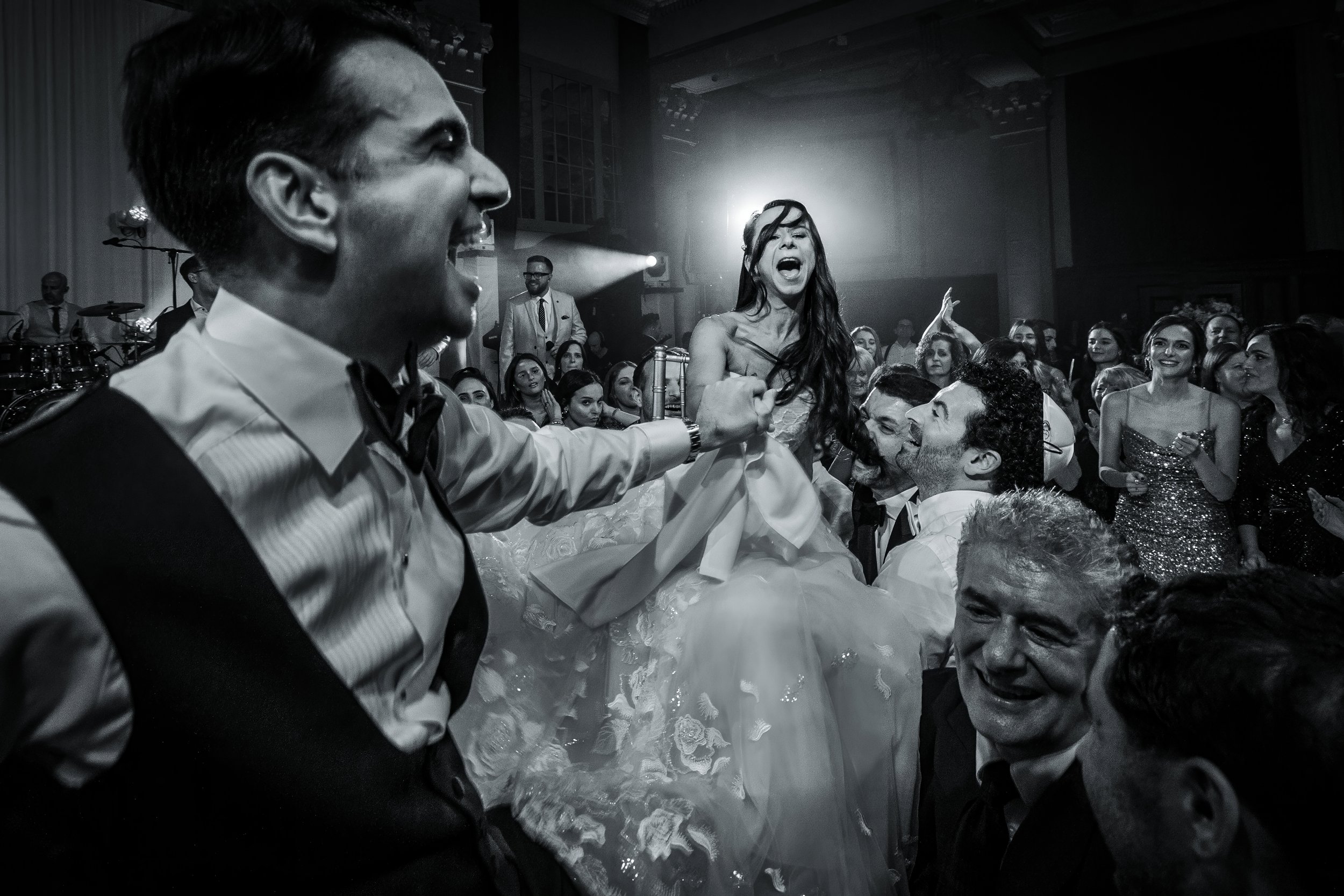
Low light, fast movement, packed dance floor. This is where experience shows: an experienced documentary photographer can capture the energy of a dance floor without being in the middle of it.
Common misconceptions about documentary wedding photography
"Documentary means no group photos"
RealityFor true reportage, that's correct — a purist sets up nothing. But in the wedding-industry sense of "documentary," you'll still get your formal family photos. Most couples want parents, grandparents and the bridal party captured properly, so a good documentary photographer will organise these efficiently (usually 20–30 minutes) and then return to the candid coverage. Documentary is about emphasis, not exclusion — unless you specifically ask for pure reportage.
"Documentary means the photographer just sits back and does nothing"
RealityDocumentary photographers work hard — constantly reading the room, anticipating moments, repositioning, adjusting for light. Looking effortless is the point; being effortless is not.
"Documentary photos are lower quality"
RealityThere's a difference between a poorly composed candid snap and a documentary photograph. A documentary photographer applies the same technical skill — composition, light, timing — but to real moments instead of staged ones.
"Any photographer can do documentary"
RealityDocumentary is arguably harder than posed photography. You can re-do a posed shot if it doesn't work. You can't re-do a real moment. It takes experience and anticipation to consistently catch genuine emotion.
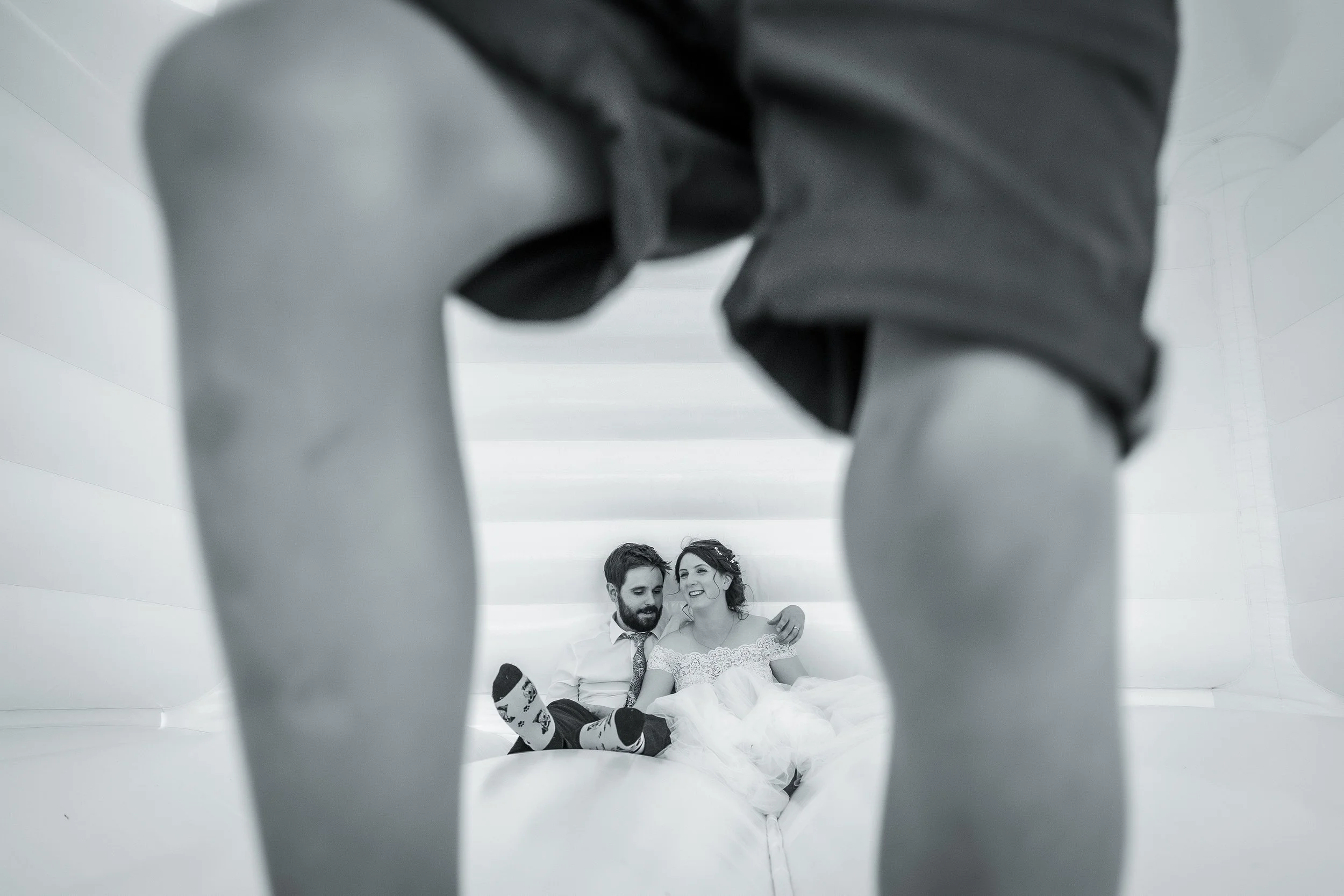
Is documentary wedding photography right for you?
Answer honestly:
You'd rather enjoy your day than spend hours posing?
You love photos of real emotion - laughter, tears, hugs?
You feel awkward being photographed and want to avoid posing?
You want a record of the day as it actually was?
You don't mind a few honest, imperfect moments if they feel real?
If you ticked most of these, documentary is your style.
If instead you want every shot art-directed, lots of formal portraits, or a heavily curated magazine look, fine art or traditional may suit you better.
How to choose a documentary wedding photographer in Manchester
1. Look at full weddings, not just portfolios
Any photographer can cherry-pick their 20 best moments. Ask to see 2–3 complete galleries. A true documentary photographer's full galleries are consistent — good moments throughout, not just during golden hour.
2. Check that the candid moments are real
When you look at a gallery, ask yourself: do the "candid" shots look genuinely unposed, or do they look like posed shots pretending to be candid? You'll quickly learn to tell the difference.
3. Read reviews for the words that matter
Look for reviews that mention: "unobtrusive," "didn't notice him," "felt natural," "captured real moments," "so relaxed." These are the phrases couples use to describe a genuine documentary photographer.
4. Ask about their approach to group photos and portraits
This is the tell. A genuine documentary photographer will say something like: "I'll organise the group photos quickly, keep portraits relaxed and natural, and spend the rest of the day capturing the day as it happens." If they talk only about posing and directing, they're not documentary.
5. Ask how they handle a dark venue
Documentary photography often means shooting in challenging light — dark churches, moody receptions, packed dance floors. Ask about their experience with low light. A photographer who can't shoot confidently in low light can't do documentary well.
For the full decision-making process, see my companion guide: How to Choose a Wedding Photographer in Manchester.
What to expect from Rob Clayton Photography
I'm a Manchester-based documentary wedding photographer with over 15 years' experience and 400+ weddings photographed. My approach is calm, unobtrusive and focused on real moments - the industry blend of roughly 90% reportage, with a short interlude of organised group photos and relaxed portraits.
Here's what that means in practice:
You barely notice I'm there — most couples tell me afterwards they forgot I was photographing
Full-day coverage — up to 10 hours, from morning prep to the last dance
Real moments over posed ones — the emphasis of every wedding I shoot
Group photos handled efficiently — organised in ~20–30 minutes, so you get them without losing your day to them
Natural, relaxed couple portraits — gentle guidance, no rigid posing
All individually edited images — no arbitrary limit, every meaningful moment delivered
Fast turnaround — your gallery ready within a few weeks
6 Fearless Photographer awards — international recognition for capturing real moments
90+ five-star Google reviews — 5.0 rating from real couples
I photograph weddings across Manchester, Cheshire, Liverpool, Leeds, the Lake District and throughout the UK.
To check availability for your date, get in touch - I'll send over pricing and details within 24 hours.
Or call me on 07814 526 220
What's the difference between documentary and reportage wedding photography?
ATrue reportage is the purist approach — zero interference, no group photos, no posing, not even moving anything out of the way. "Documentary" in the wedding industry is usually around 90% reportage, with a few organised portraits and family group photos added in. Most photographers (myself included) use "documentary" to mean the blend.
Will we still get formal family photos?
AYes. Most couples want formal group photos, and I'll organise them quickly and efficiently before returning to documentary coverage.
Do we need to be comfortable in front of the camera?
AThat's the point of documentary photography. Because you're never posed, you never need to perform. Most of my couples tell me they felt completely relaxed — many said they forgot I was there.
How is documentary different from candid photography?
ACandid photography is about catching the occasional spontaneous shot. Documentary is a consistent, deliberate approach applied across the whole day — a complete, honest story, not a few lucky snaps.
Is documentary wedding photography more expensive?
ANot necessarily. Pricing depends on the photographer's experience, coverage and what's included — not the style. For a full breakdown, see How Much Does a Wedding Photographer Cost in Manchester?.
How do I know if a photographer is genuinely documentary?
ALook at full galleries, read reviews for words like "unobtrusive" and "natural," and ask how they handle group photos. A genuine documentary photographer leads with real moments.
Quick checklist: choosing a documentary wedding photographer
Confirm the style you want (documentary, traditional, or fine art)
Search for "documentary wedding photographer Manchester"
Ask to see 2–3 full wedding galleries - check for consistency
Look for genuinely unposed moments (not posed shots that look candid)
Read reviews for "unobtrusive," "natural," "relaxed," "didn't notice him"
Ask how they handle group photos and couple portraits
Ask about low-light experience (dark venues, dance floors)
Have a phone or video call - gauge personality fit
Check what's included and read the contract
Book with a deposit to secure your date
Summary
Documentary wedding photography captures your day as it genuinely happens — real moments, real emotions, no staging. It's the perfect choice for couples who want to enjoy their wedding and receive a set of images that feel honest and true to the day.
The key is finding a photographer who genuinely works this way — not someone who labels themselves documentary but directs every shot. Look at full galleries, read reviews for the words that matter, and ask the right questions.
Rob Clayton is a Manchester-based documentary wedding photographer with over 15 years' experience, 400+ weddings photographed, and 6 Fearless Photographer awards. Named Best Wedding Photographer in Manchester 2024 at the Quality Business Awards. 90+ five-star Google reviews with a 5.0 rating. View his portfolio here.