
The Best Photo Locations at Nunsmere Hall | Rob Clayton
Photo Locations at Nunsmere Hall
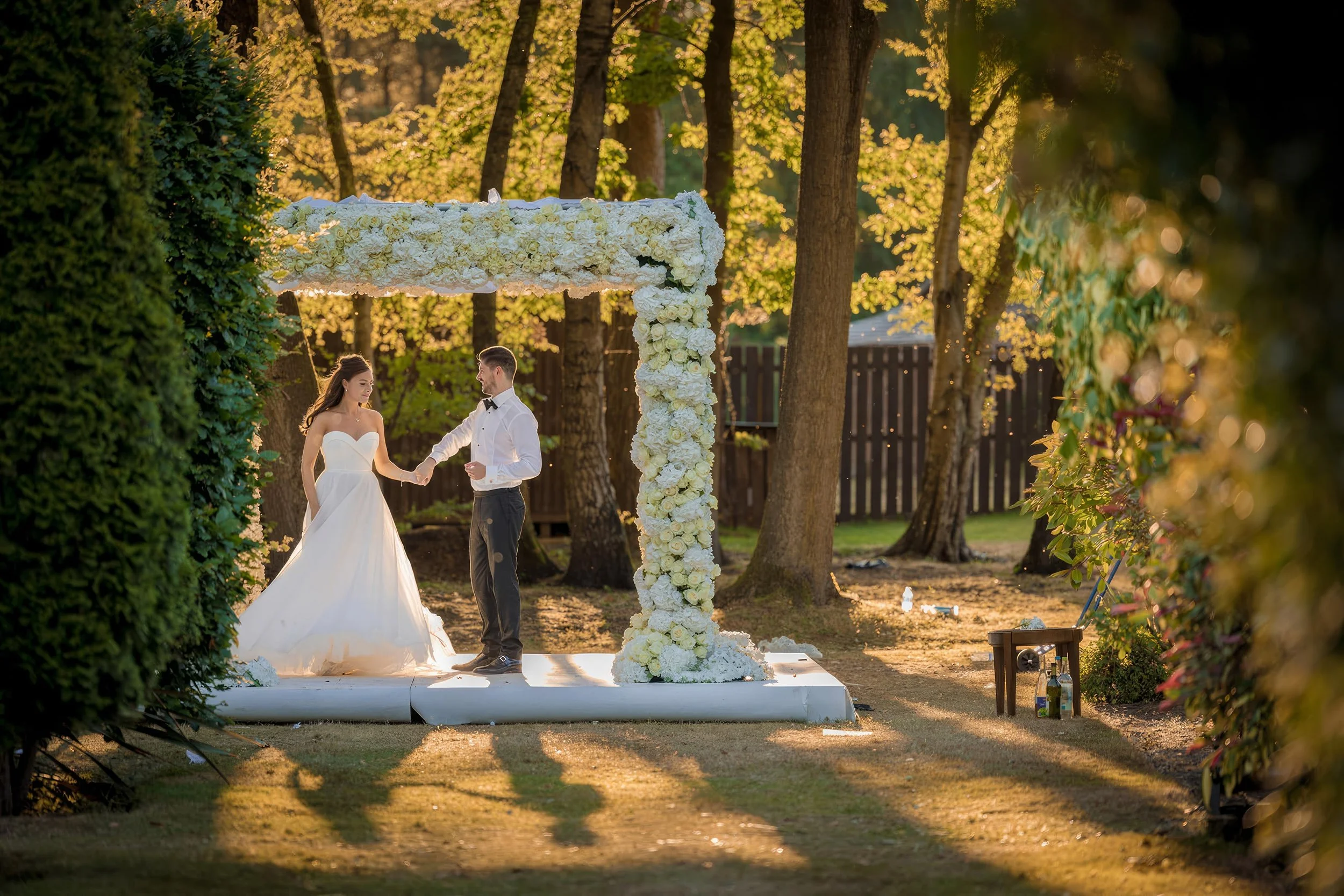
Most wedding venues have one location worth working hard. Nunsmere Hall has four that are genuinely distinct from each other, all within walking distance. The Italian gardens, the 60-acre lake, the woodland edges of the Delamere Forest setting, and the marquee - each has its own light, character, and register. Moving through all of them across a single day produces a set of photographs that would be impossible at most other Cheshire venues.
The Best Spots for Couple Portraits at Nunsmere Hall
The Lake
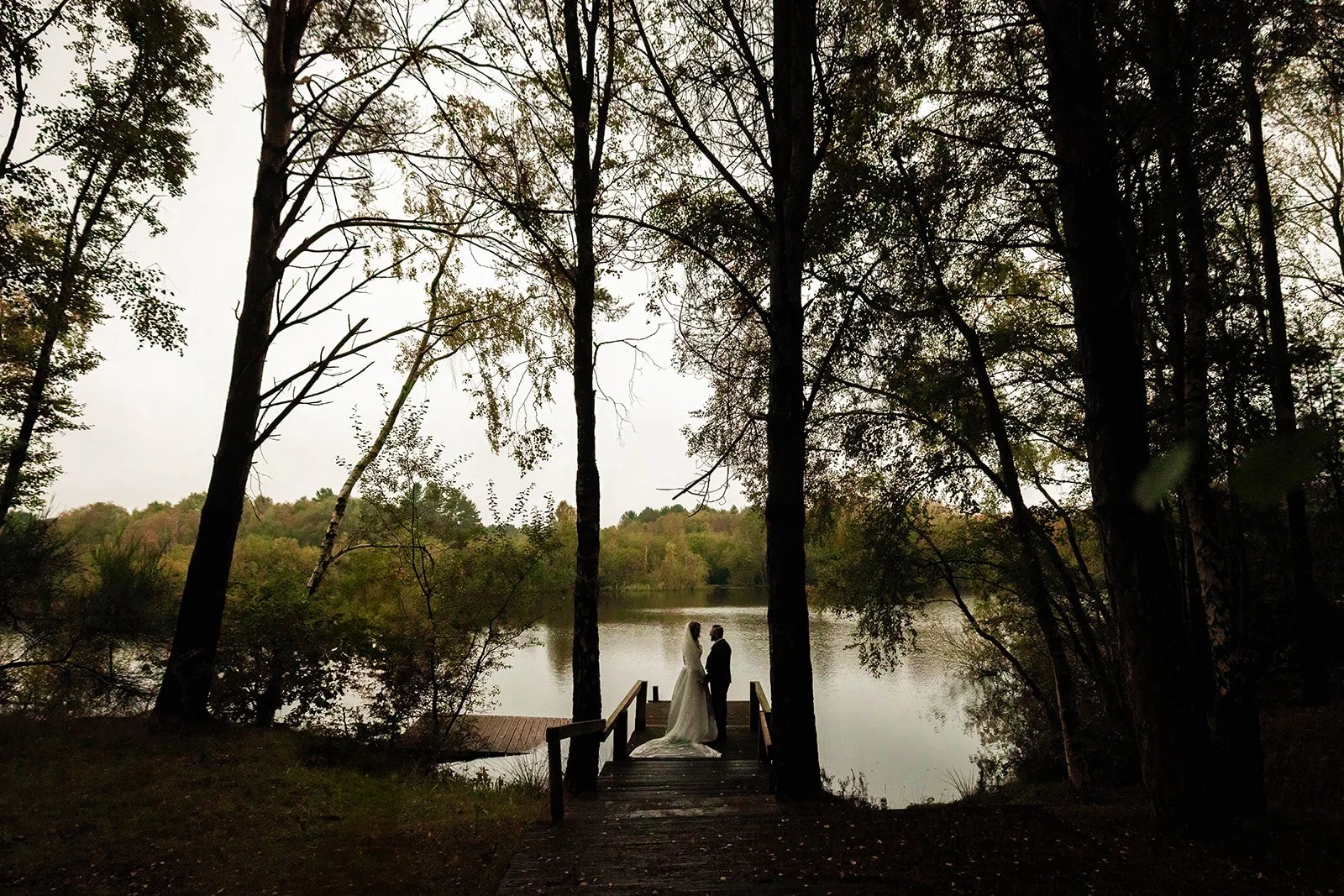
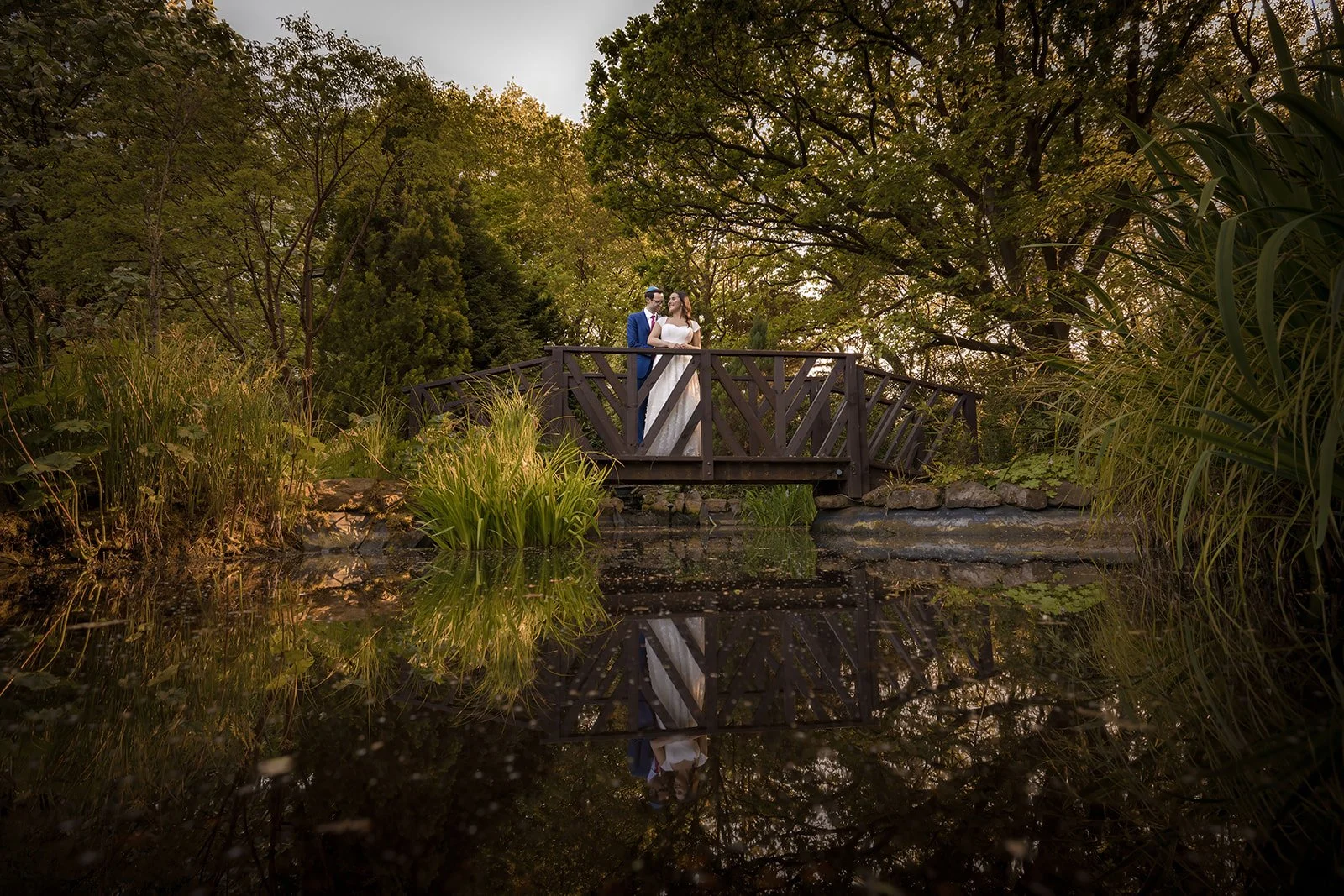
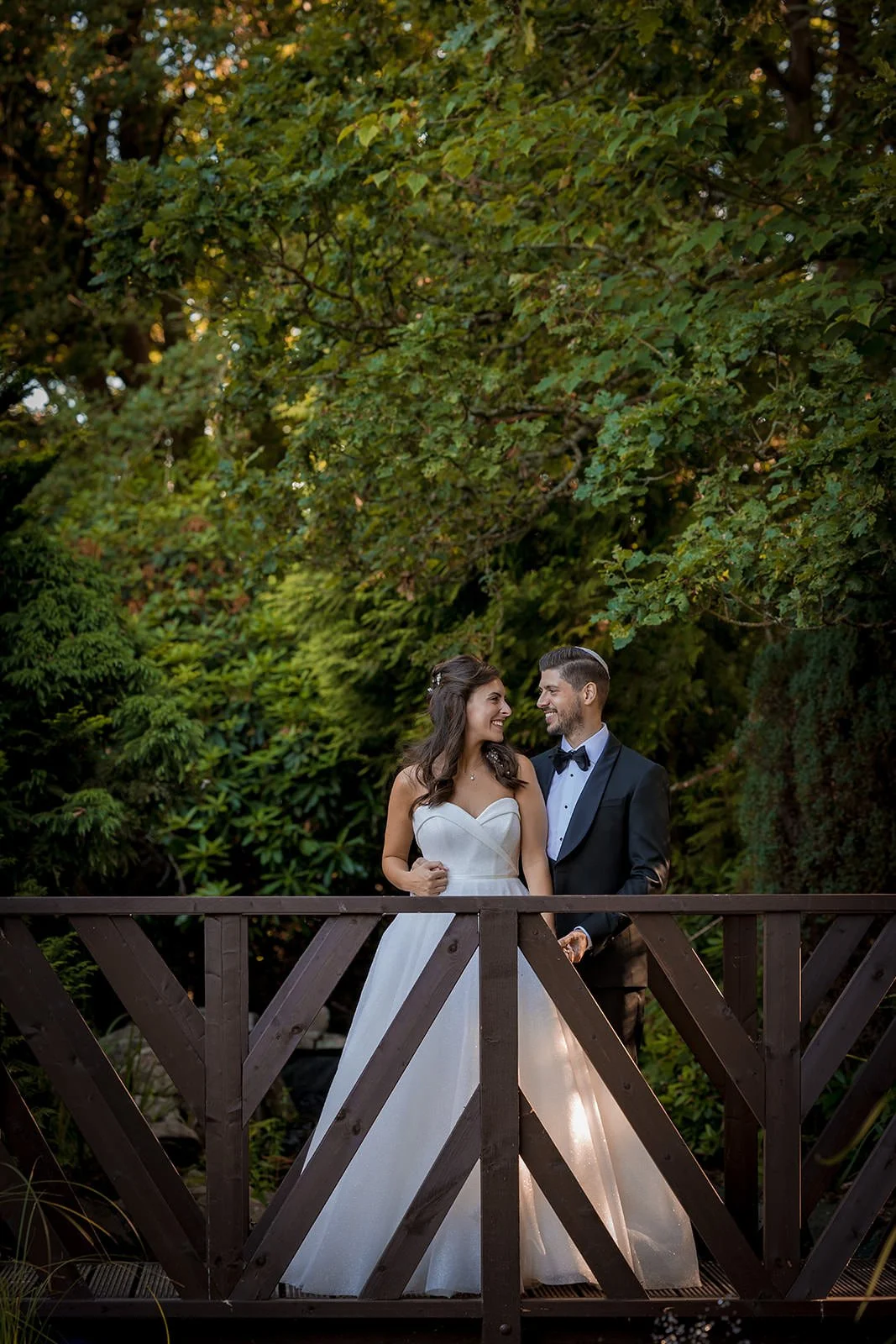
This is the defining location. Sixty acres of water with Delamere Forest behind it - the scale alone makes it unlike anything available at most wedding venues. The lake doesn't just provide a backdrop; it changes the mood of photographs entirely. You can see sky, water and forest together in a way that gives images genuine depth.
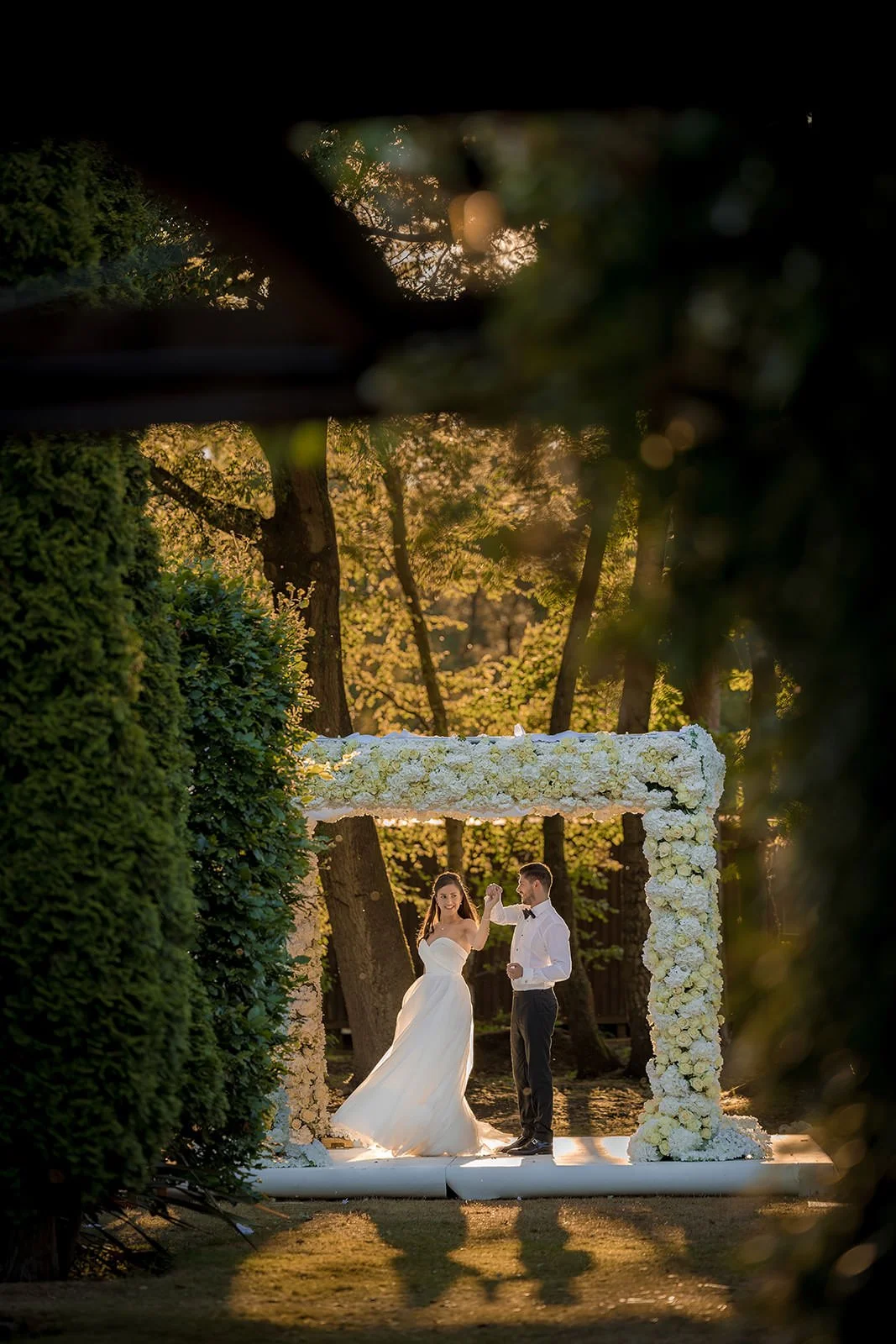
The strongest time to be here is golden hour. The light comes down across the surface at an angle, the water reflects whatever the sky is doing, and the whole area around the lake takes on a quality that isn't available any other time of day. Even a short time here at the right moment produces some of the most distinctive images from the day.
Later in the evening, after the formalities are finished, stepping back out to the lake offers a second set of portraits in a completely different light and atmosphere. These tend to be quieter and more intimate - a contrast to the earlier afternoon work.
The Italian Gardens
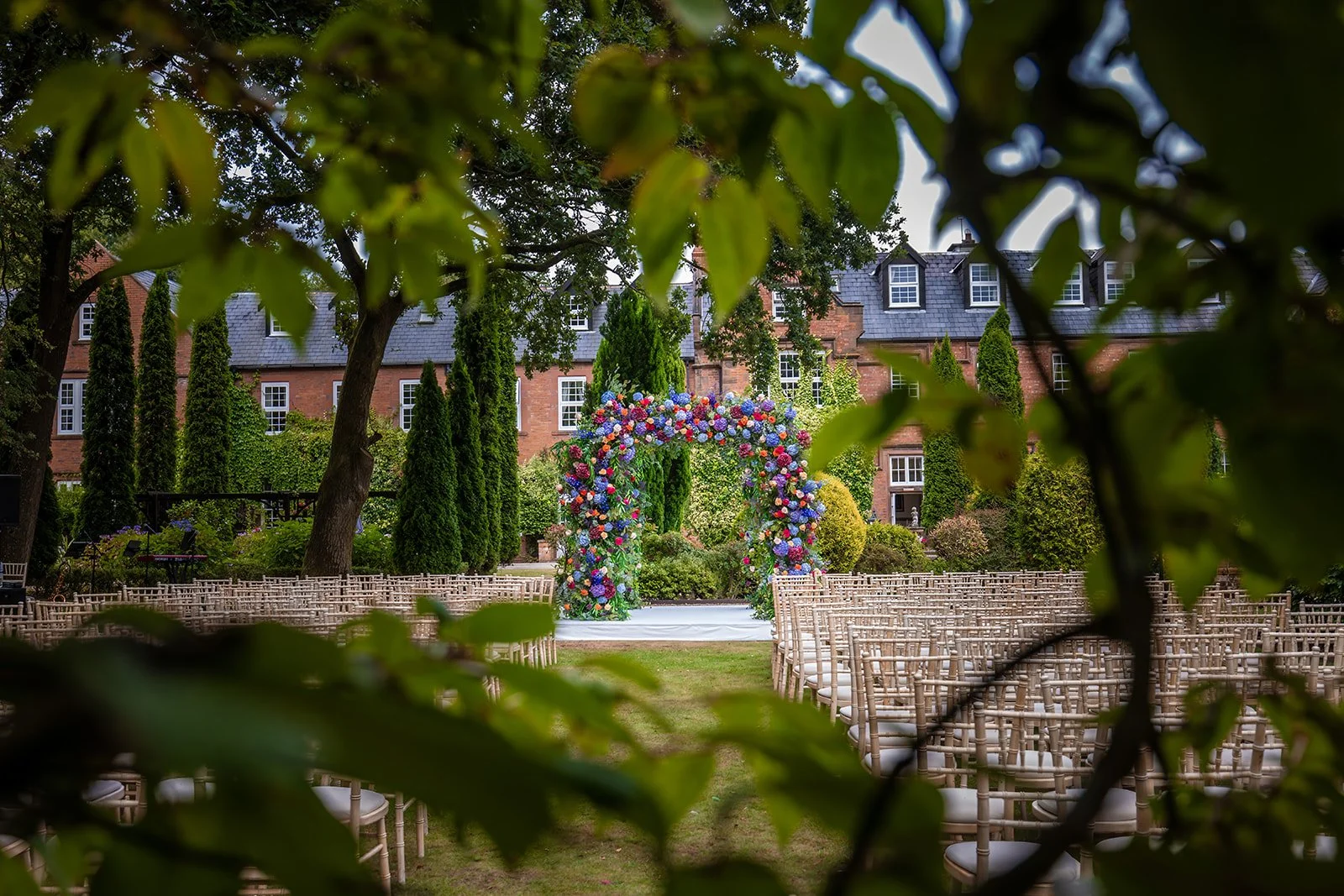
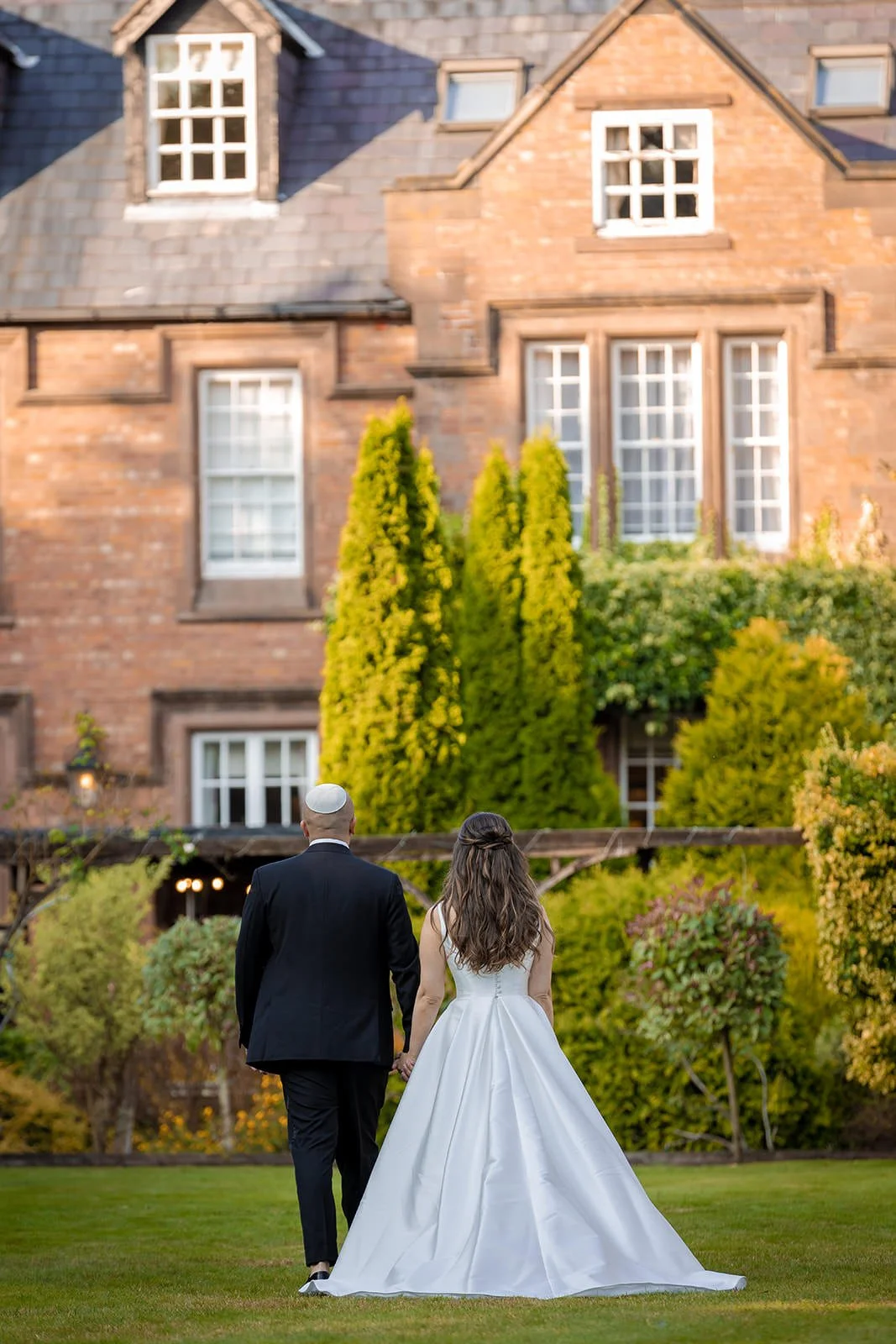
The Italian gardens are the structured counterpart to the open landscape of the lake. Clean lines, formal greenery, a considered layout - they provide a more composed setting that suits portraits where the architecture of the surroundings does some of the work.
This is also where outdoor ceremonies take place, which makes the gardens familiar territory by the time portraits happen. They're close to the house, accessible quickly during the drinks reception, and well-lit throughout the day. For a quick and efficient first set of portraits - ten to fifteen minutes while guests have drinks - the Italian gardens are the natural choice.
The Woodland Edges
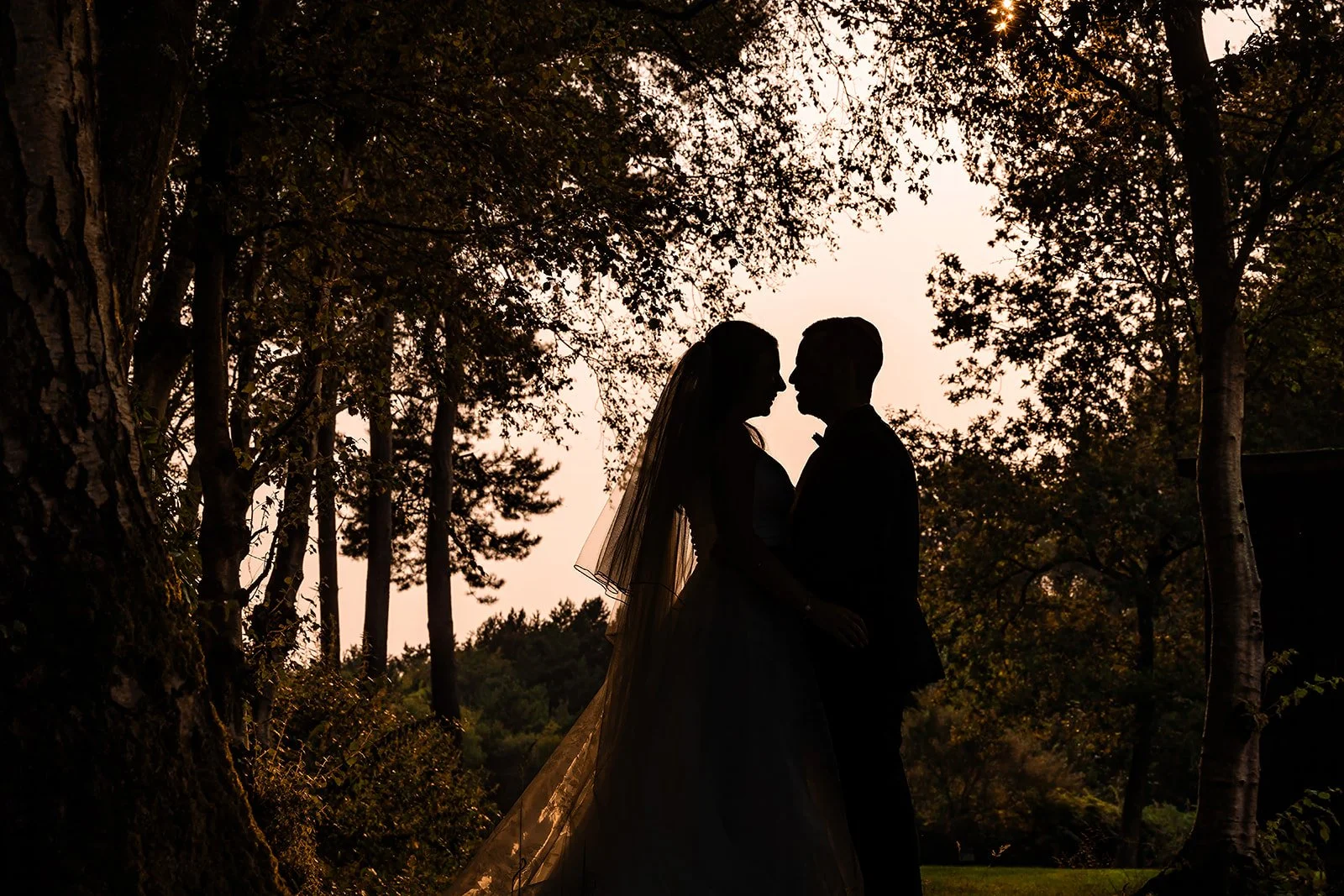
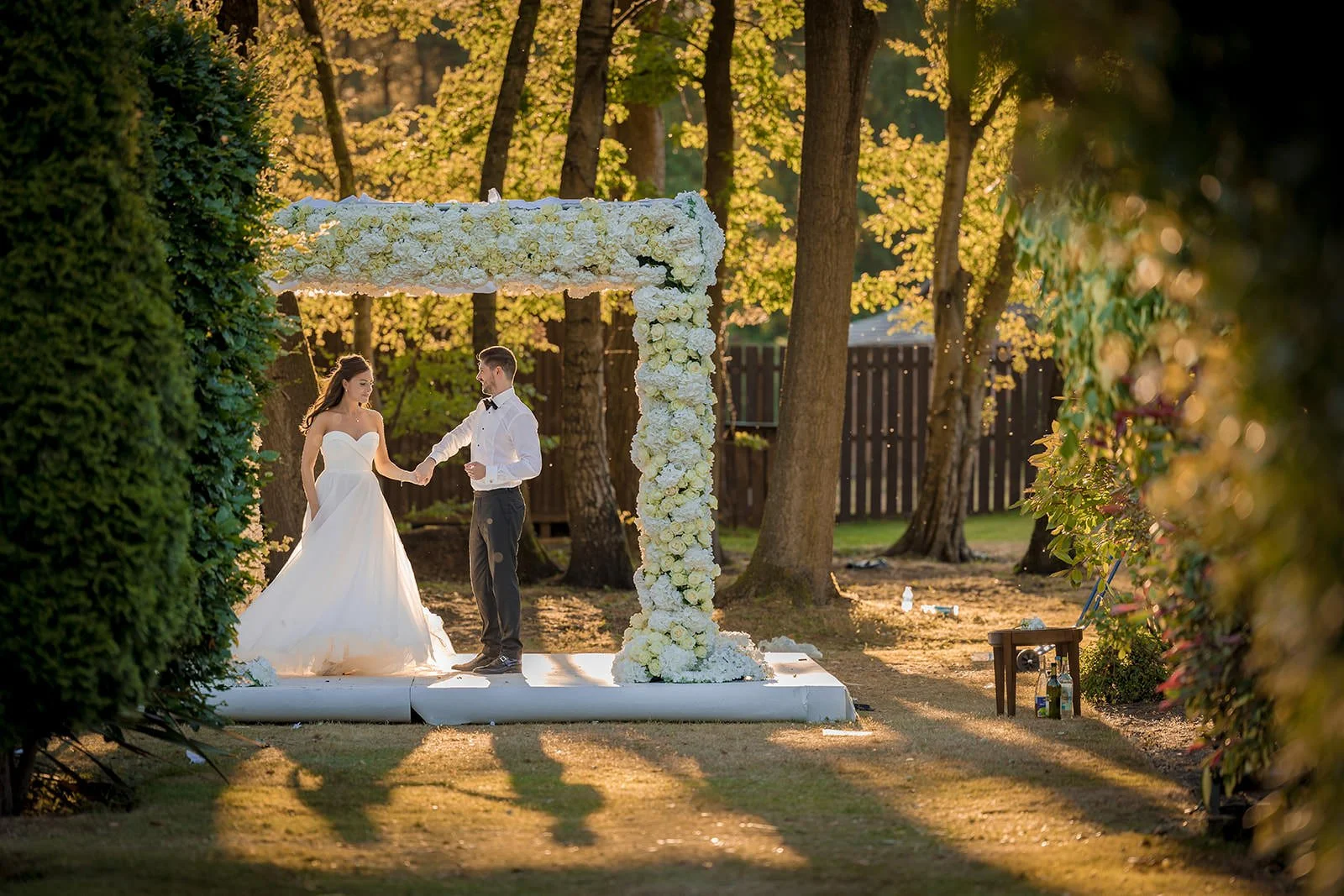
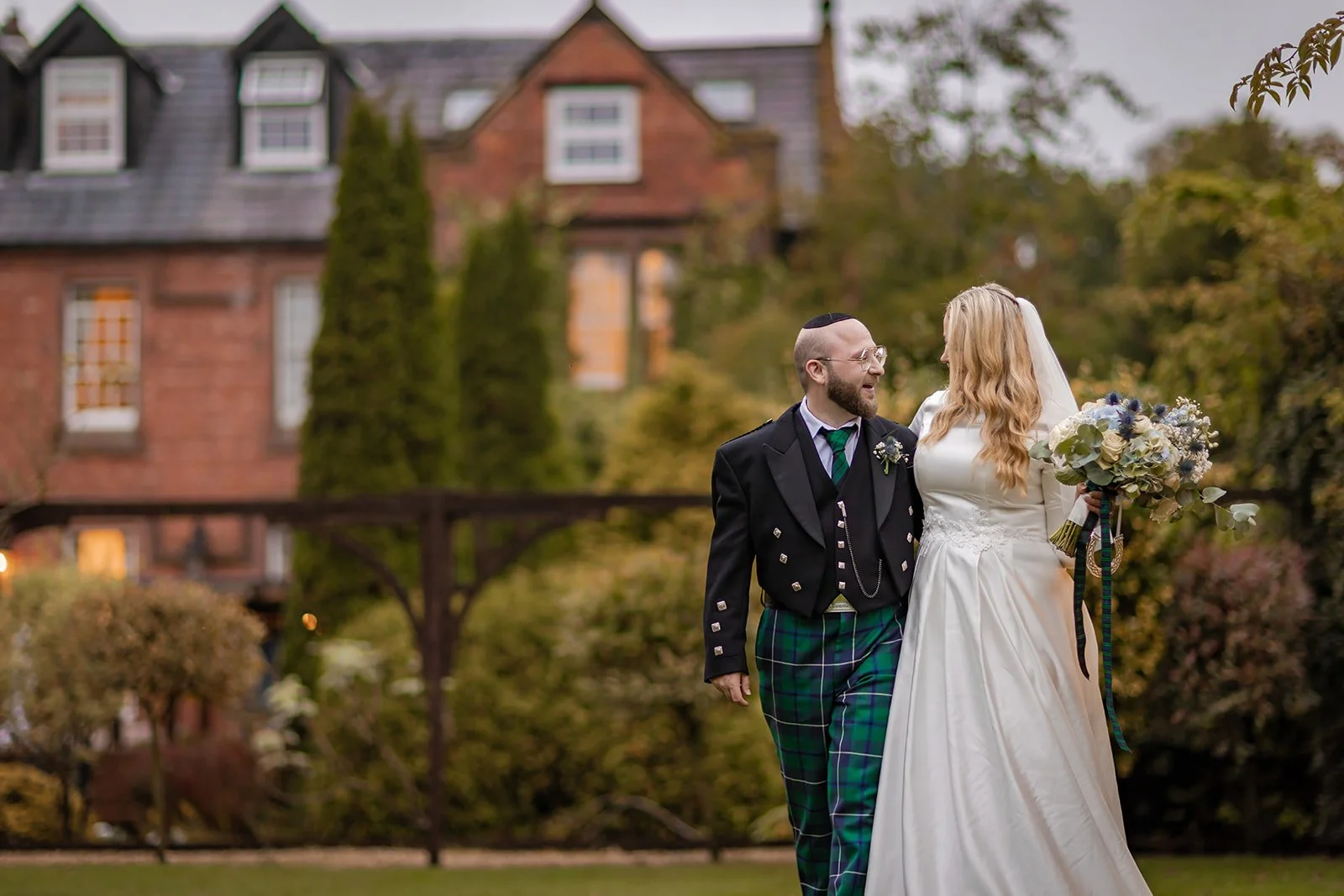
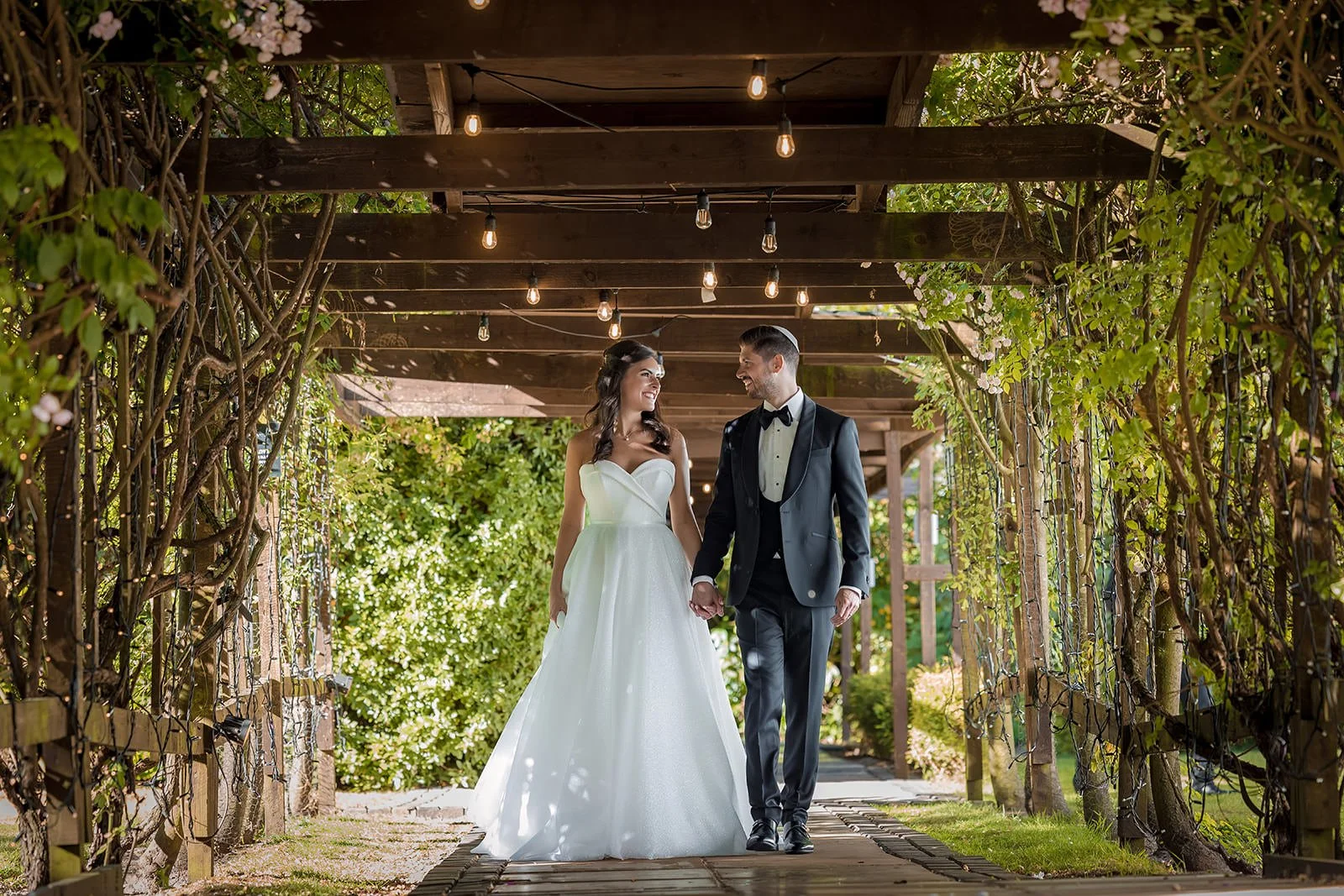
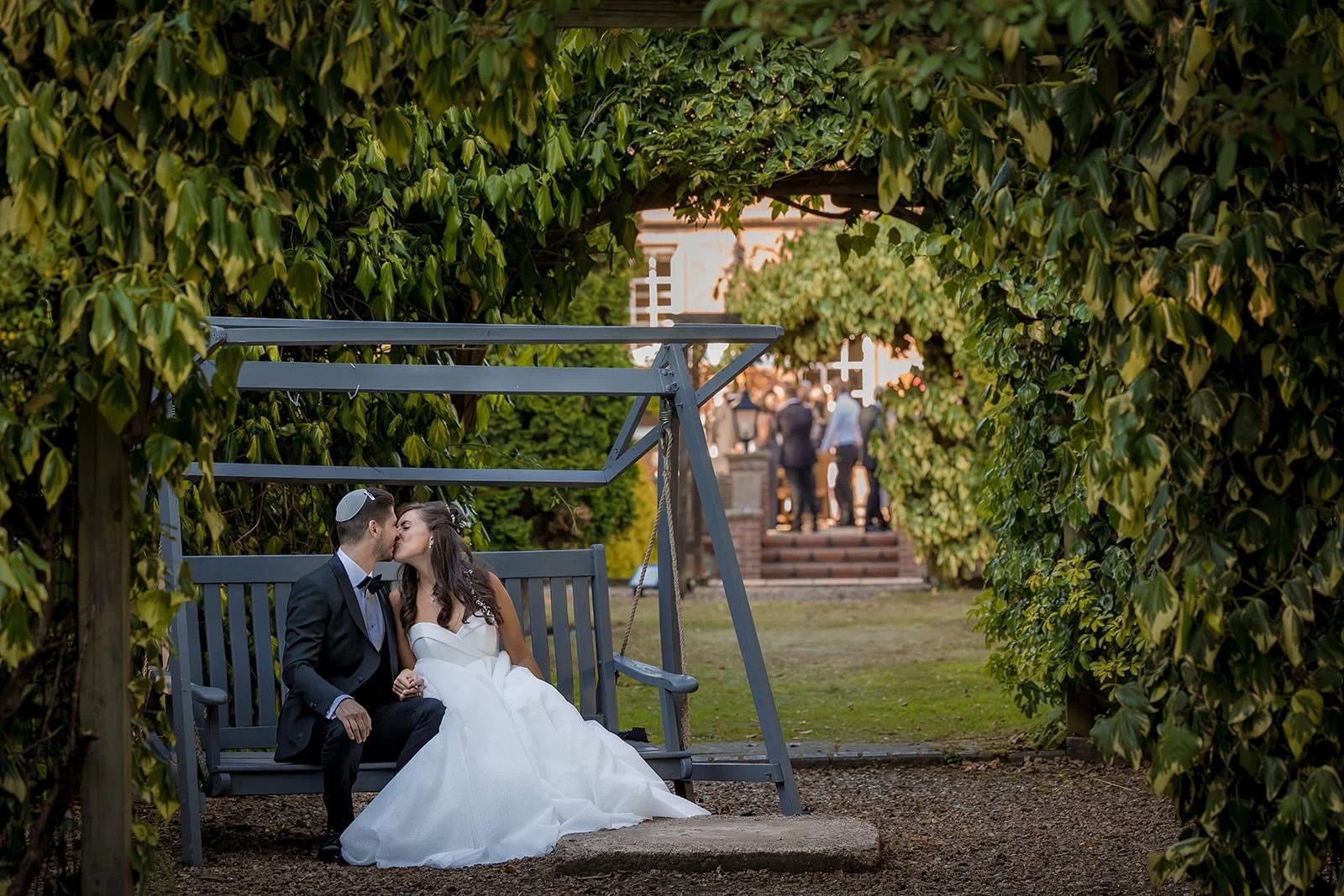
The forest setting around the Nunsmere Hall estate gives the grounds a texture and softness that isn't available in the open garden spaces. The woodland edges offer dappled light, natural framing and a completely different atmosphere - less formal, more intimate, suited to portraits where the surroundings feel organic rather than designed.
This is most useful when the schedule allows time to move slightly further from the main gathering areas, or when the afternoon light in the open spaces is harsher than ideal.
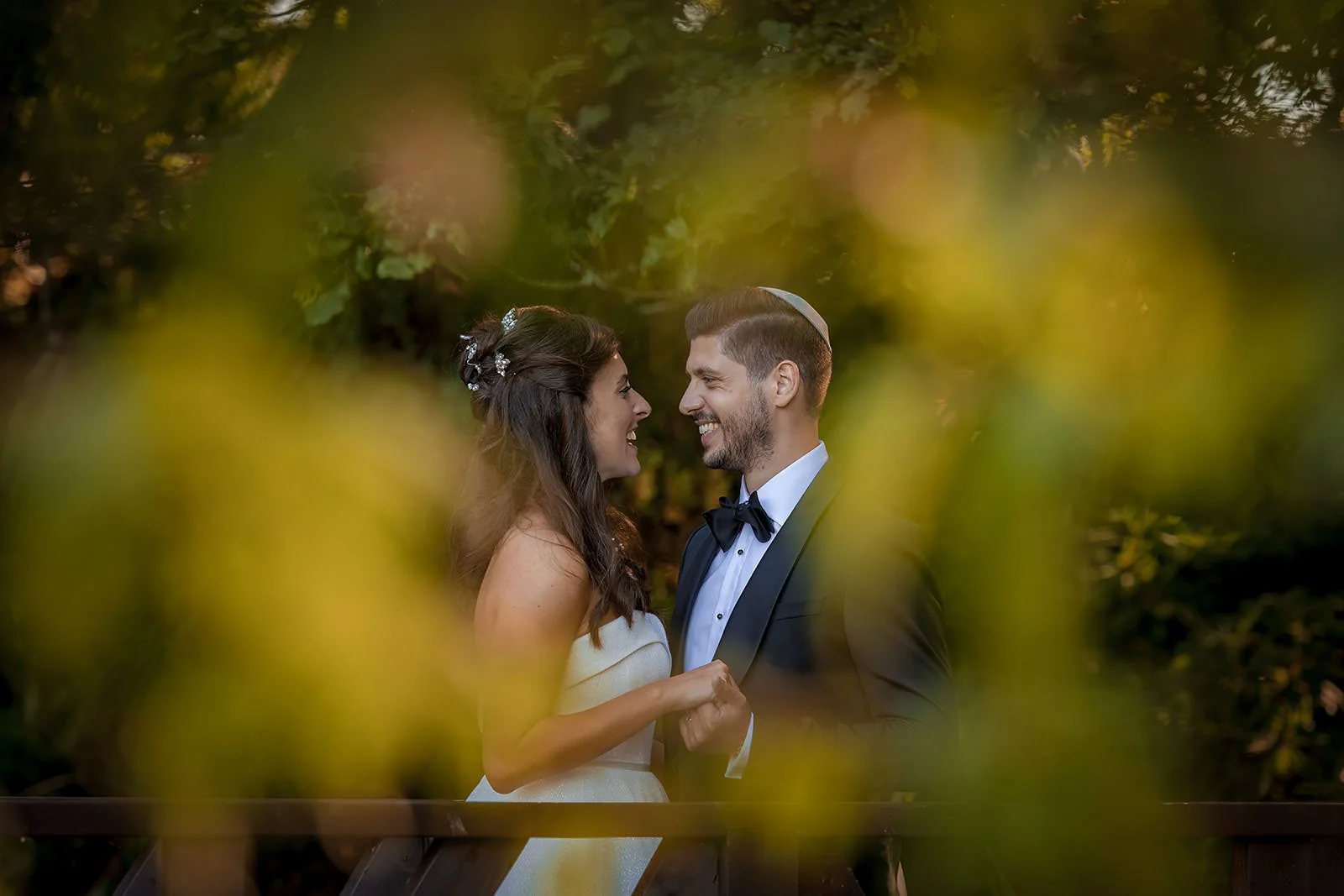
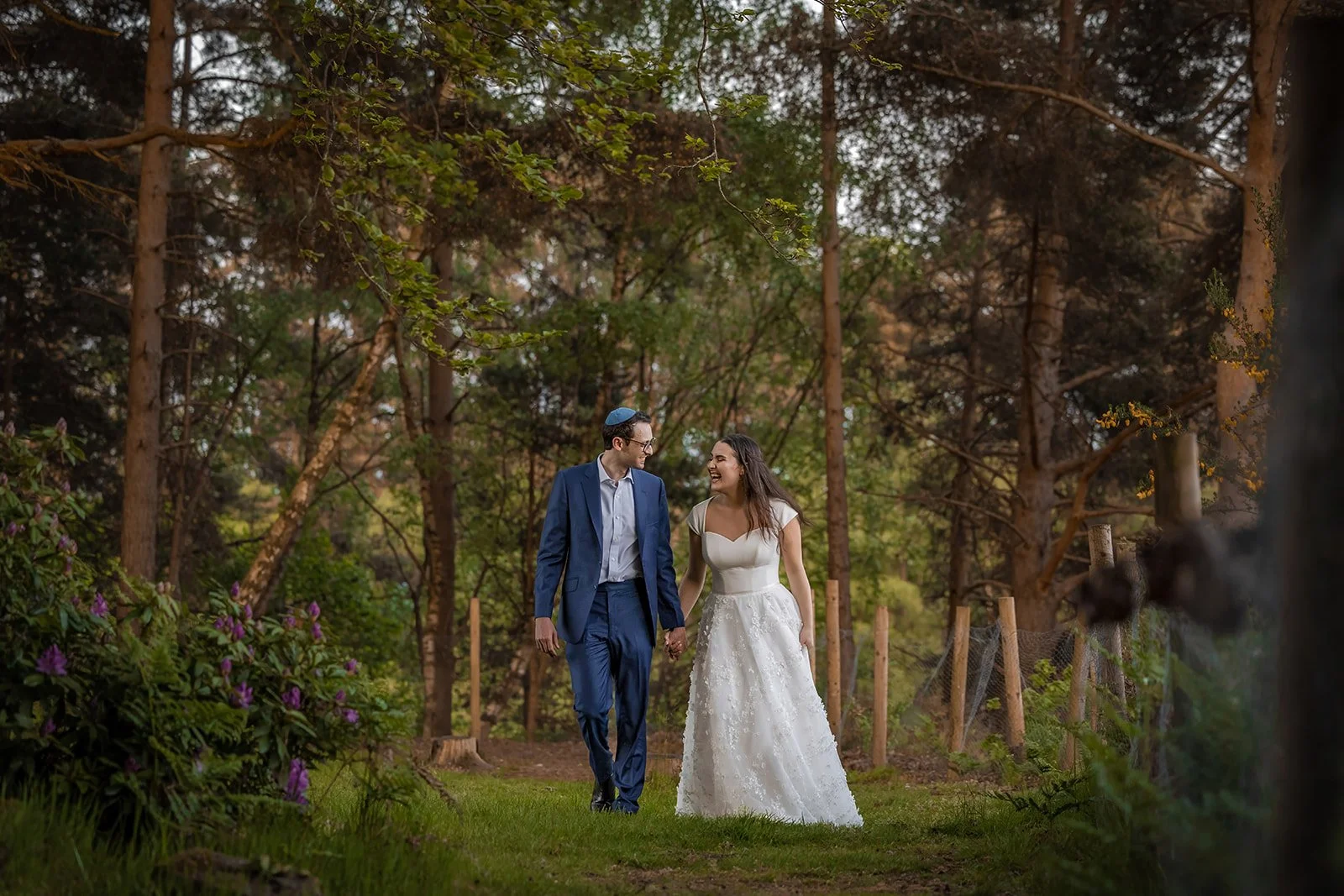
Ceremony and Reception Spaces - What the Light Does
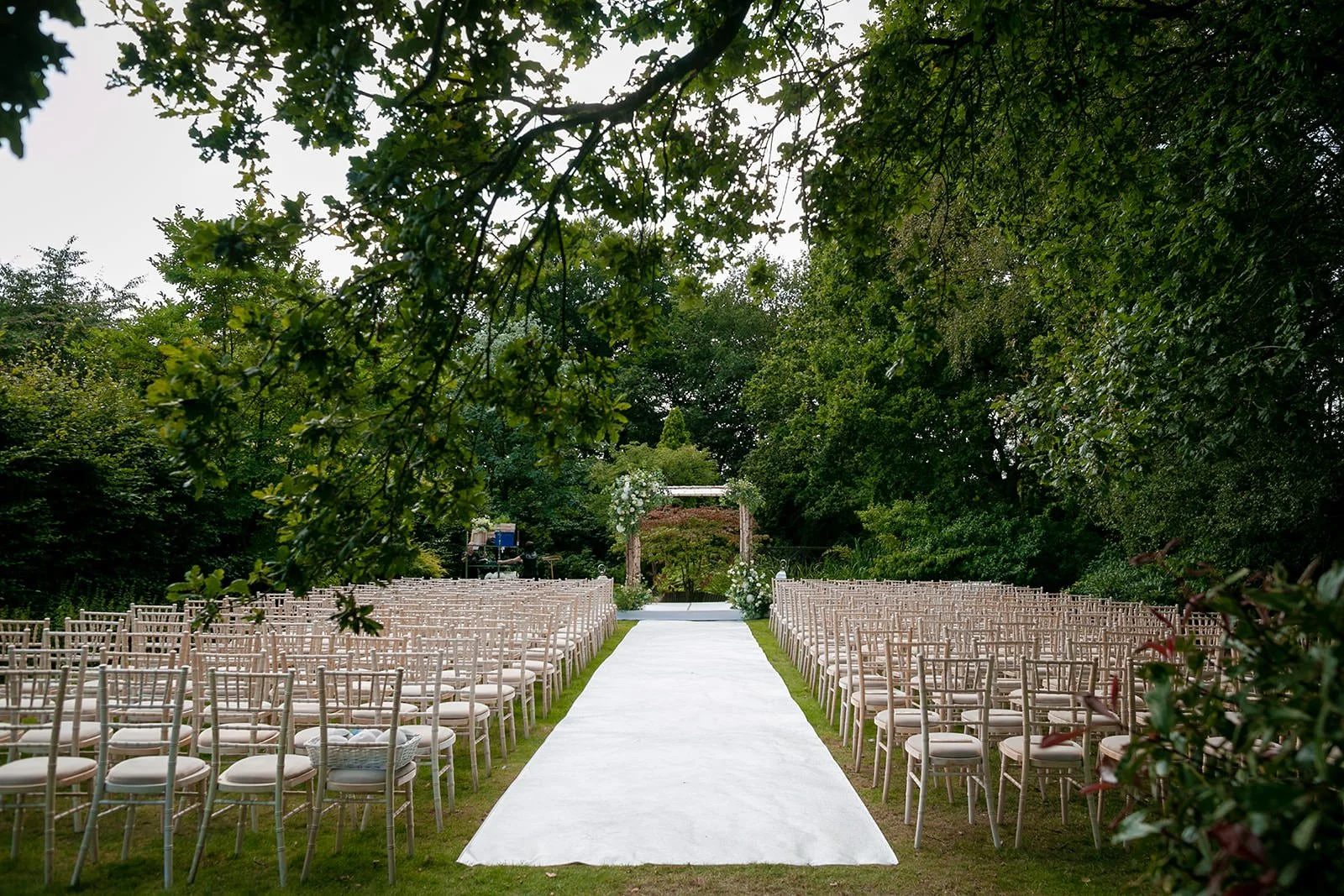
The Italian Gardens - Outdoor Ceremony
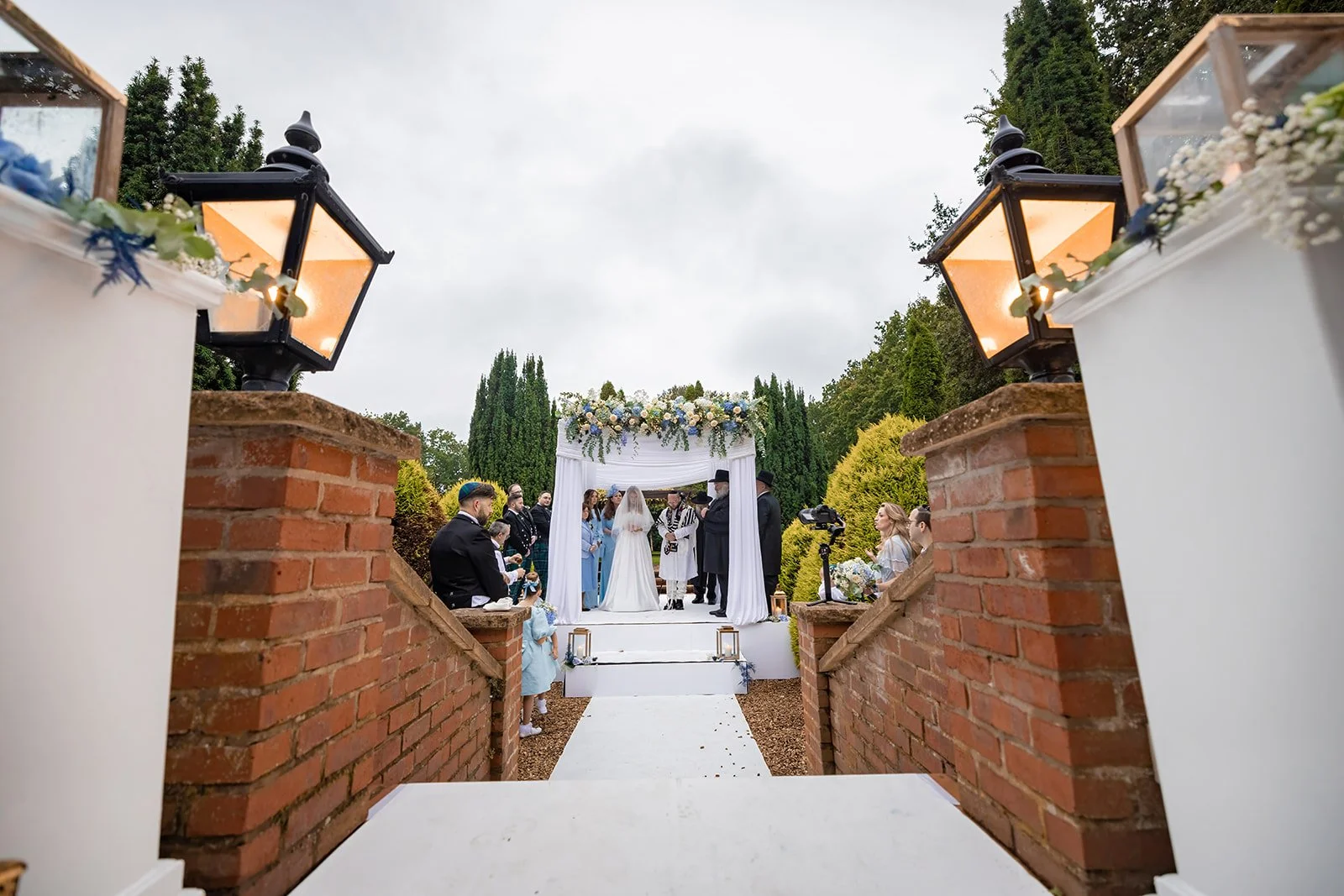
The outdoor ceremony space is open-air and well-proportioned. The natural light is consistent and even when the sun is at a useful angle, and the structured layout of the gardens keeps the ceremony area cleanly defined.
The practical consideration is the orientation and the time of day. Depending on which direction the ceremony faces, midsummer midday light can be strong. An afternoon ceremony timing tends to produce softer, more workable light. I'm always happy to look at a specific time and orientation in advance and advise on what to expect.
The Crystal Suite and Brocklebank - Indoor Ceremony
Both indoor ceremony rooms are within the main house and provide a more controlled environment. The light is interior-natural - usable and consistent, without the variables of outdoor work. These spaces suit a more intimate, focused ceremony atmosphere, and the architecture of the house gives them a character that a purpose-built ceremony room doesn't have.
The Marquee
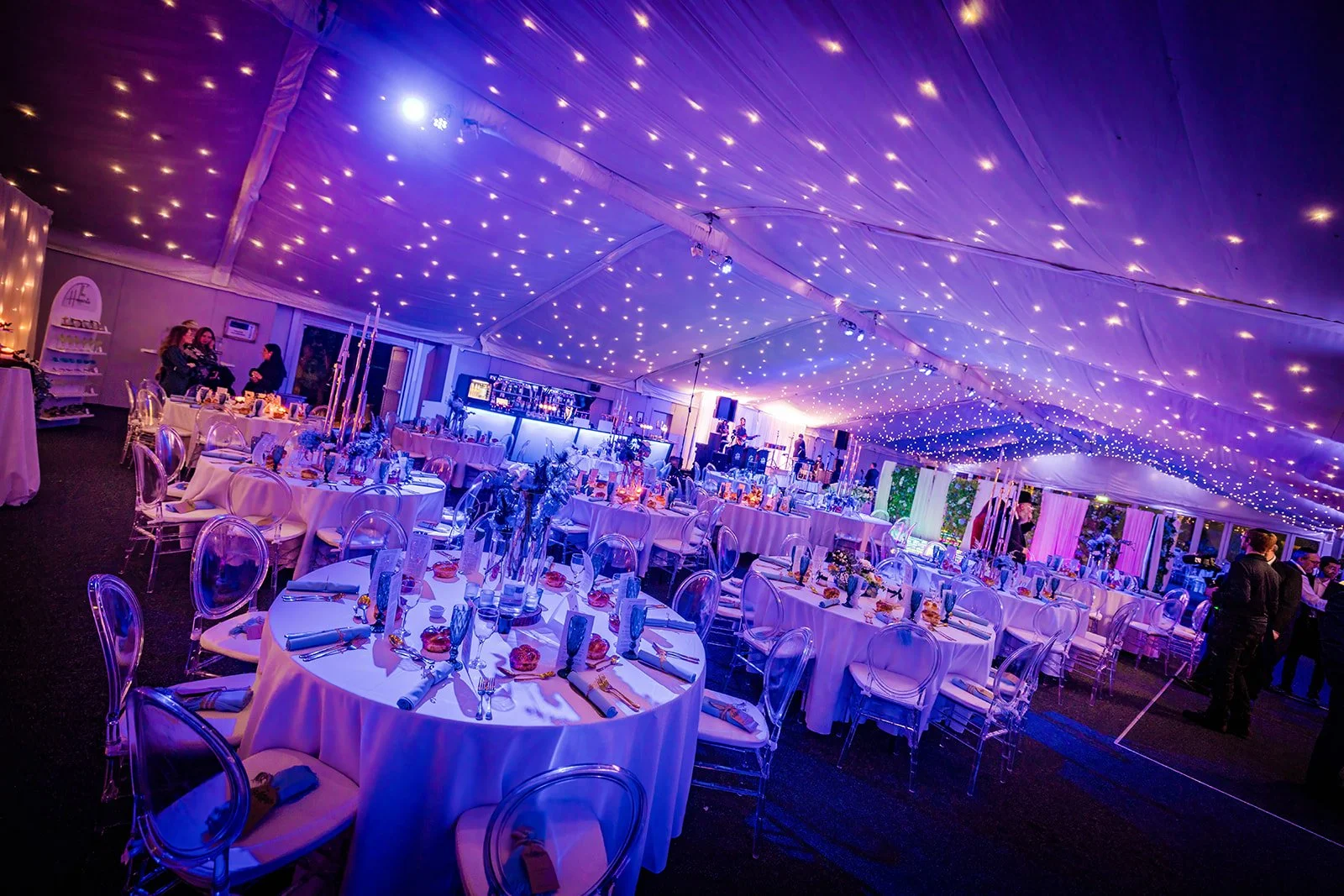
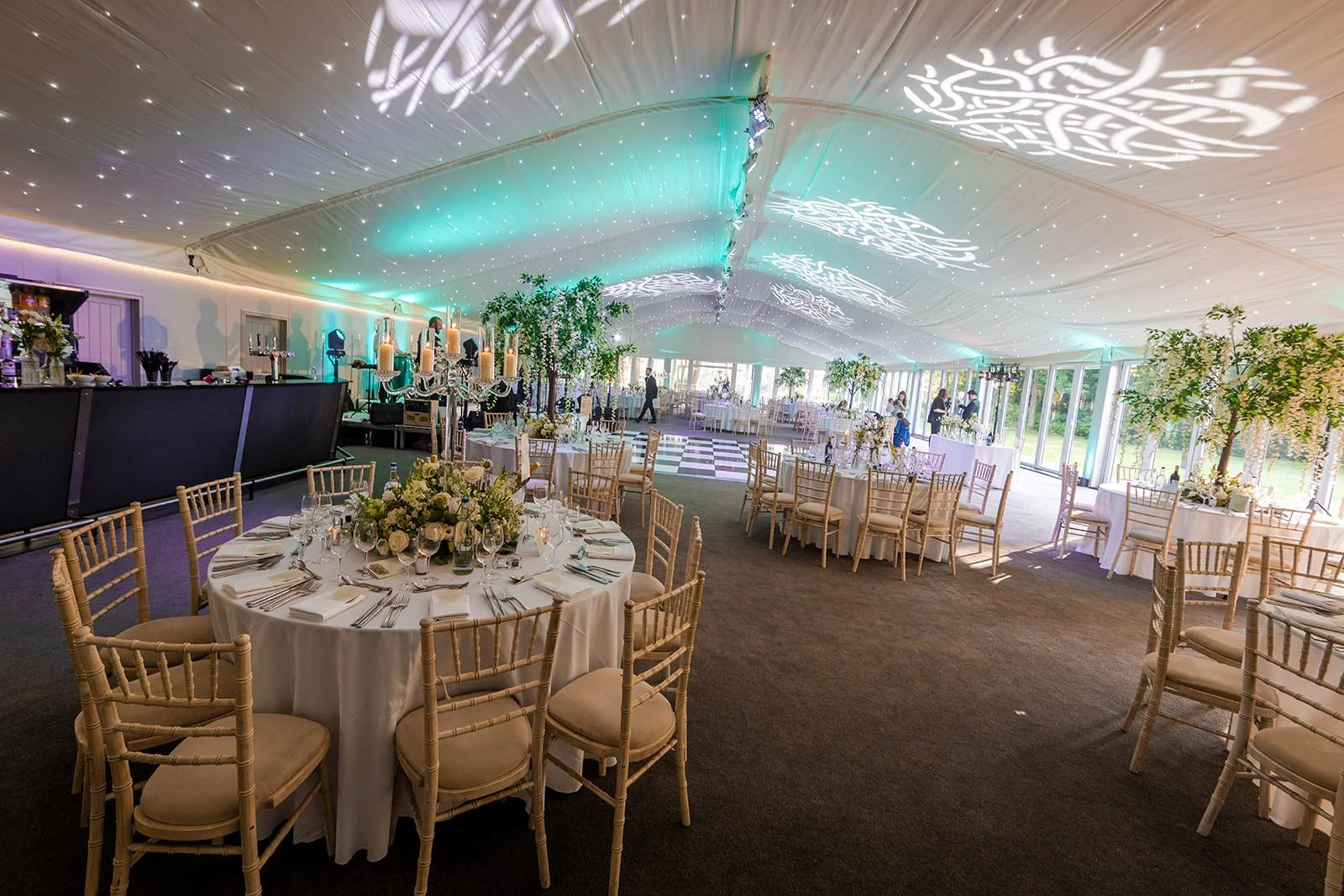
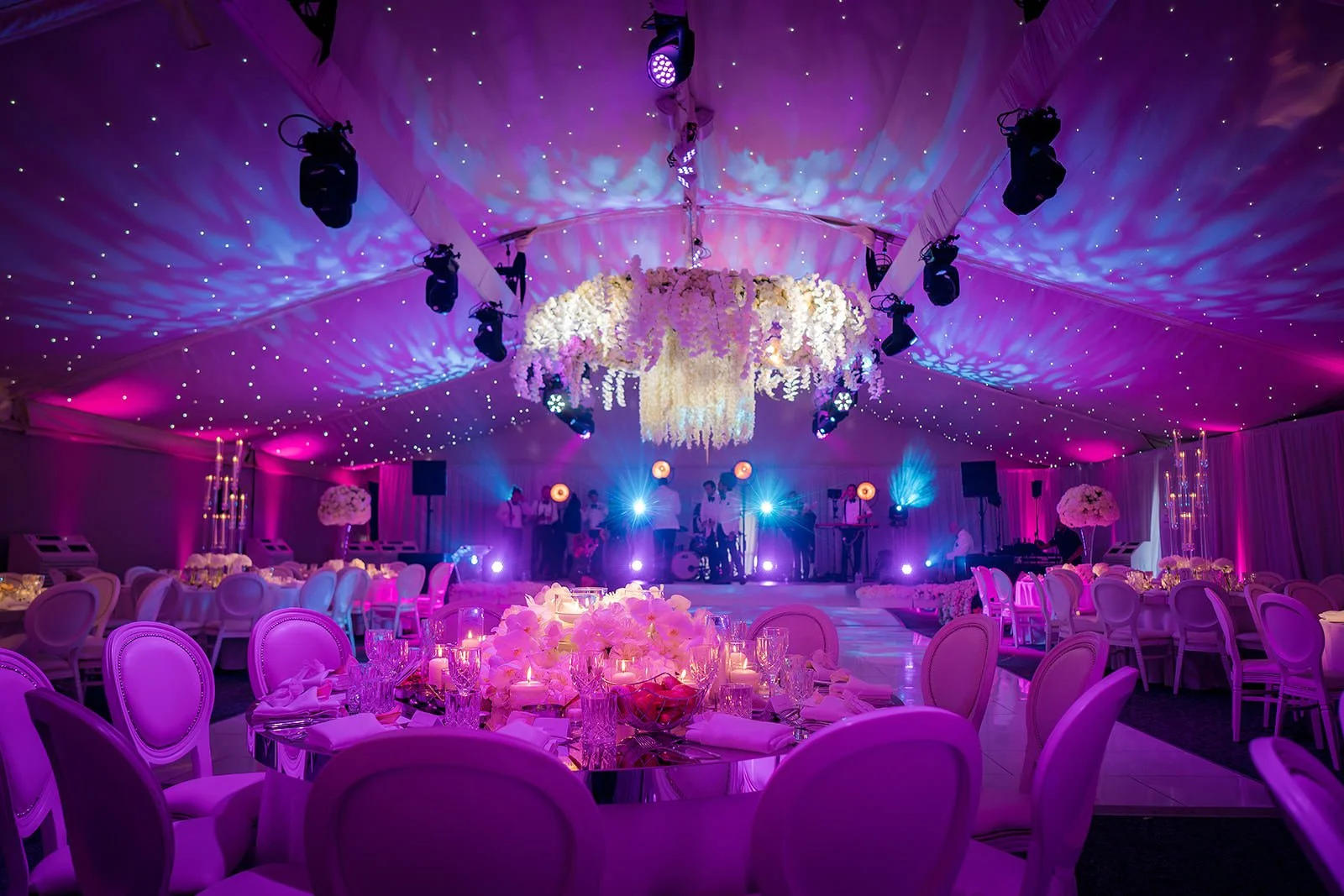
The marquee is a blank canvas, which means the light during the evening is entirely shaped by how the couple has styled the space. Warmer, more ambient lighting produces better photographic conditions than cooler or harsher rigs. The starlit ceiling, when the room is dark enough for it to show, creates an atmosphere that the flash work needs to complement rather than overpower.
During the wedding breakfast, if the marquee is well-lit from the sides and naturally from the canopy, the light during the meal is typically soft and warm - ideal for the quieter moments of the day.
Hidden Gems and Unexpected Moments
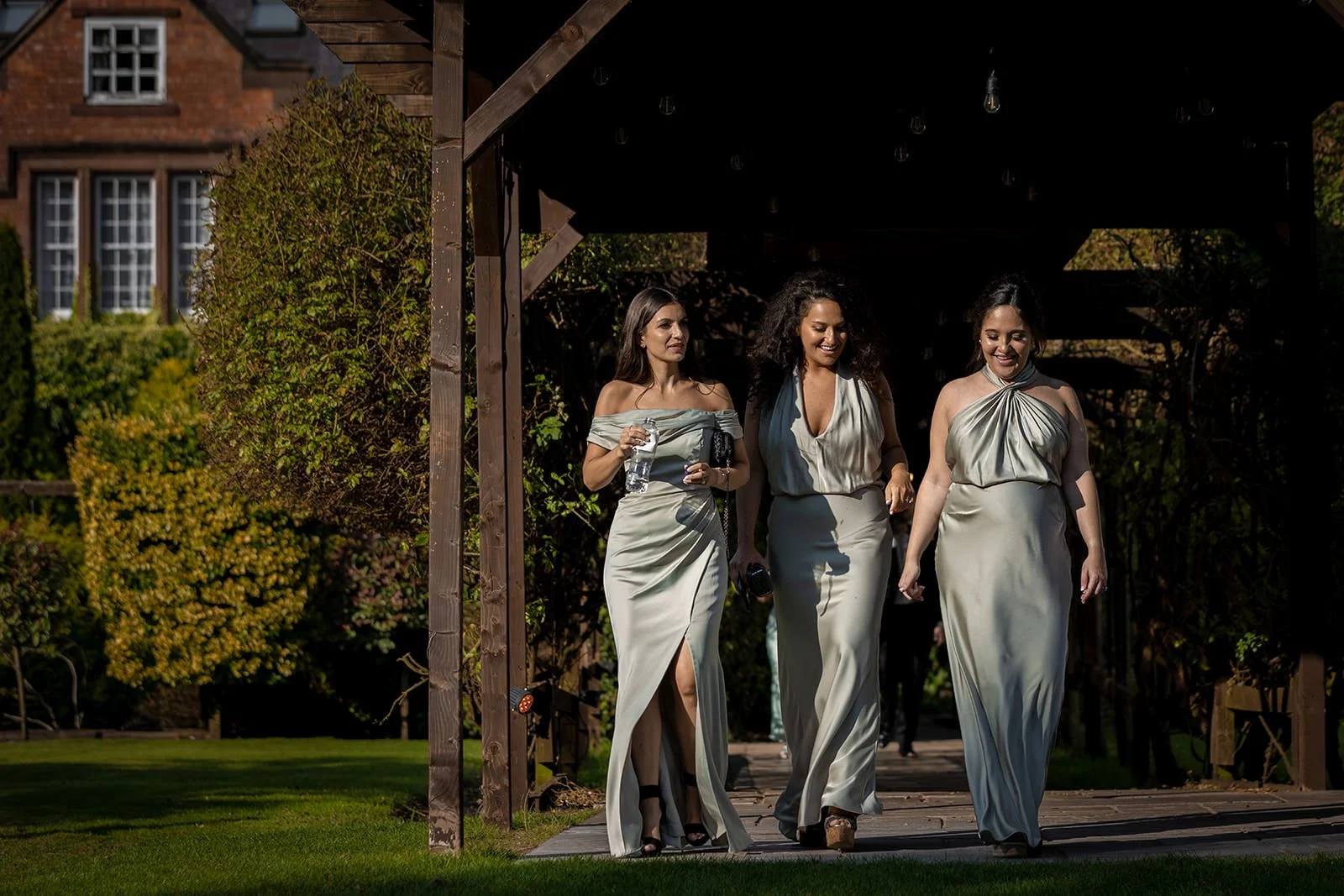
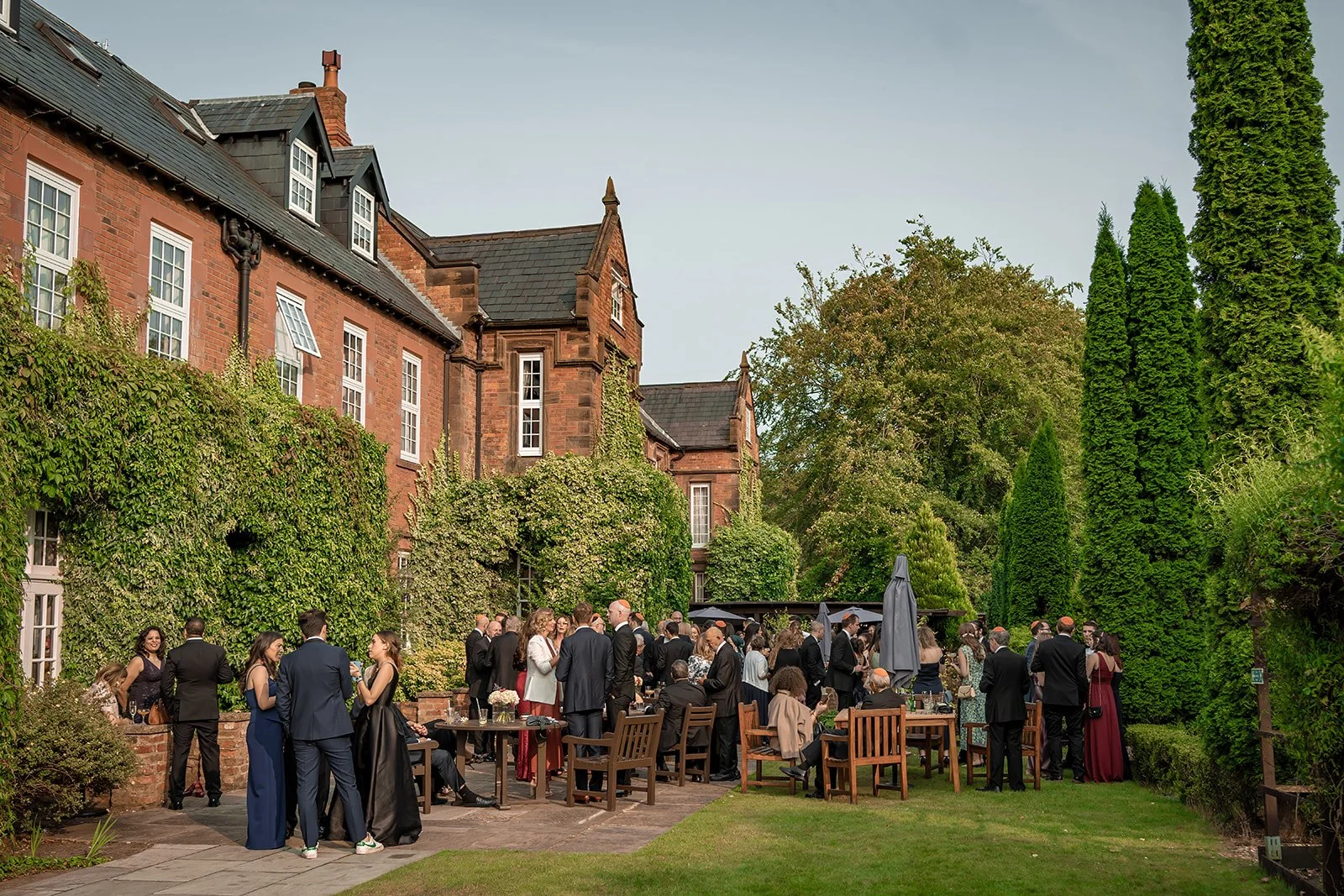
The transition from the ceremony to the drinks reception is one of the most consistently productive moments at Nunsmere Hall. Guests spill out into the grounds and lakeside area - some staying near the house, others moving toward the water. People spread naturally, conversations start, the atmosphere loosens. It's less structured than any part of the day that follows, and that's where some of the most honest photographs happen.
The grounds between the house and the lake - the route couples take between portrait locations - produce their own moments. Walking between the Italian gardens and the lake isn't a dead stretch; it's time to be present with each other, and that often produces more natural images than standing still in front of a camera.
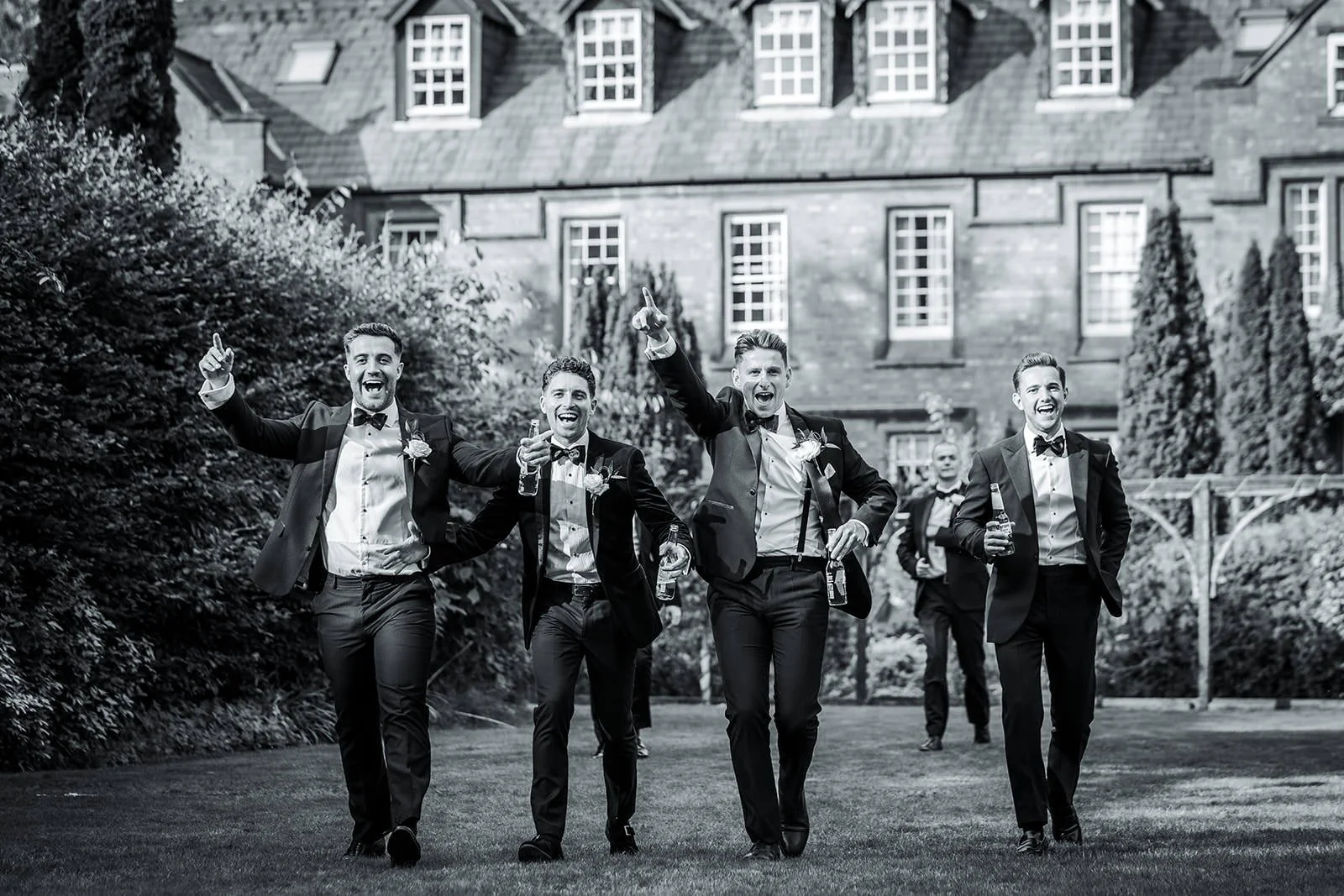
The house itself, as a setting, is underused during most weddings. The architecture and character of a building originally constructed as a private residence gives it a quality that the purpose-built spaces at newer venues don't have. On the right day and at the right angle, the exterior of the house itself is worth a few frames.
Seasonal Considerations
Spring (March–May) - The grounds emerge from April onward. By late May, the Italian gardens and the lake surroundings are at their best. Long evenings mean golden hour falls late - typically 7:30–8:30pm in May - which gives plenty of time to work it into the schedule after the wedding breakfast.
Summer (June–August) - Peak conditions for the grounds and the outdoor ceremony space. The challenge is the middle of the day - strong overhead light on the gardens can be flat. Scheduling portrait time for the late afternoon works around this. Golden hour falls late in summer, which can push it past the first dance. Worth planning the evening specifically to step out for fifteen minutes at the right time.
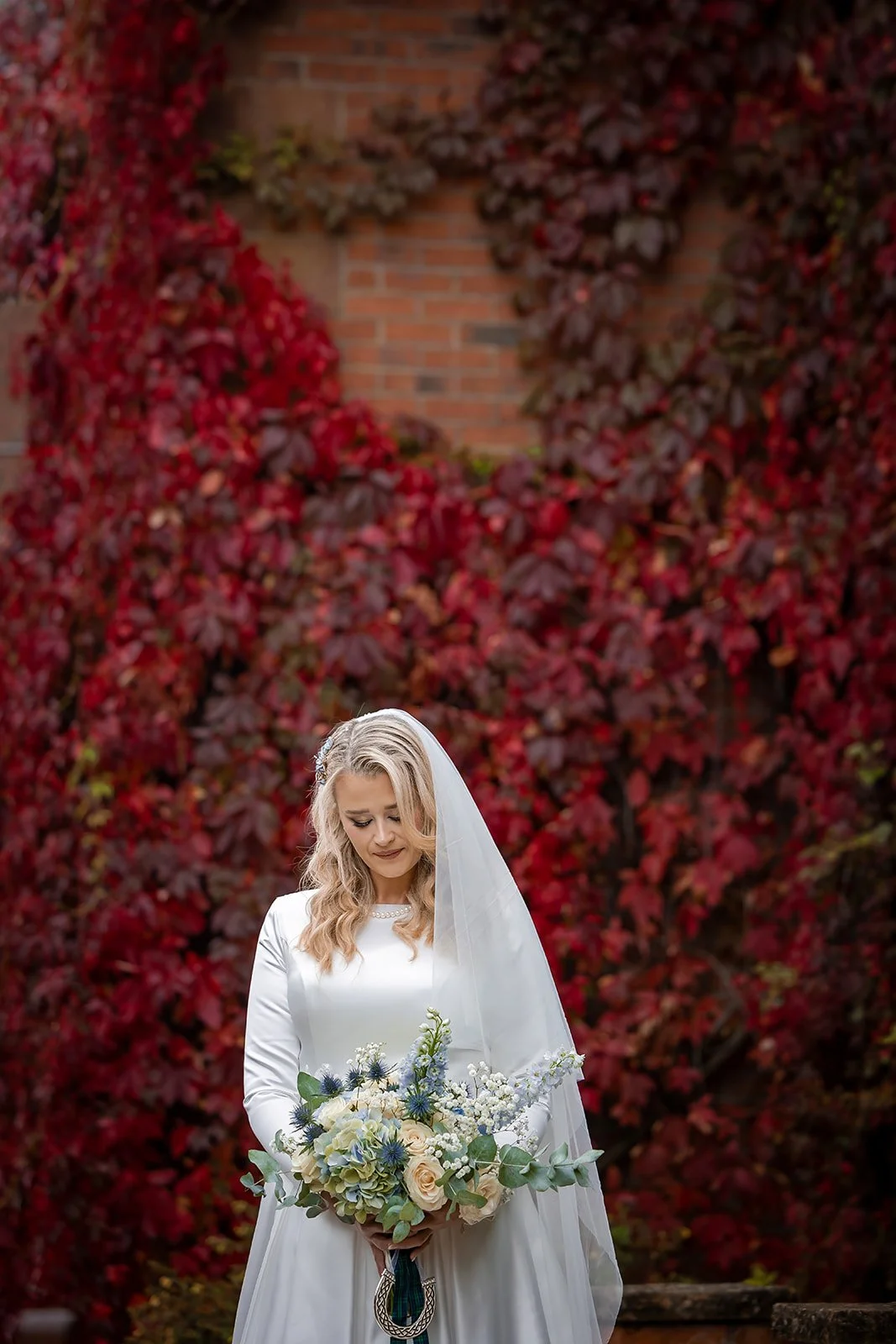
Autumn (September–October) - The strongest season for atmosphere at Nunsmere Hall. The forest changes colour around the estate, the light drops earlier and warms quickly, and golden hour falls at a much more practical time - 5–7pm. The lake in this window, with autumn colour in the trees behind it, is probably the best single photographic condition this venue offers.
Winter (November–February) - Short days and early golden hour - sometimes as early as 2:30–3pm - mean the portrait window is compressed but concentrated. The lake and forest in winter have their own quality: minimal colour, low light, a stillness that suits a completely different approach. Interior spaces within the house become more central to the photography, and the marquee in winter often has a more dramatic atmosphere than in summer.
Planning Your Wedding at Nunsmere Hall?
If you're in the early stages of planning and want to understand how the photography works across the day, these pages are a useful starting point:
Nunsmere Hall Wedding Photography - an overview of how the venue works, what I look for at each stage of the day, and what makes this setting distinctive.
Nunsmere Hall Wedding Photography FAQs - venue-specific answers on photo locations, light, logistics, timelines and booking.
Real Weddings at Nunsmere Hall - a full wedding from beginning to end, with context on how the day unfolded.
Nunsmere Hall Wedding Day Timeline Guide - how to structure the day so the photography works, including the mistakes that cost couples good images and how to avoid them.
Or check availability here if you're ready to talk.