
Nunsmere Hall Wedding Photography - Your Questions Answered
If you're planning a wedding at Nunsmere Hall and thinking about photography, these are the questions I get most - answered specifically for this venue. Everything here comes from having photographed weddings at Nunsmere Hall across different seasons and configurations of day.
Q. Where are the best spots for couple portraits at Nunsmere Hall?
A. Three distinct areas, each with a different character.
The Italian gardens are the most structured option. Clean lines, manicured greenery, and a formal layout that suits more composed portraits. They're close to the house and easy to reach quickly, which makes them useful during the drinks reception when you don't want to be away from guests for long.
The lake is where you get something entirely different. The scale and openness of 60 acres of water with Delamere Forest behind it creates a backdrop most venues simply can't offer. Images here have a different quality - wider, more atmospheric, with the landscape doing genuine work rather than just providing a backdrop.
The woodland edges offer a third register - softer, more natural, suited to a quieter and more intimate set of portraits.
Using all three across a full wedding day gives the final gallery a natural variety without any of it feeling forced.
Q. What's the light like at Nunsmere Hall…and does time of day matter?
A. It matters significantly, and the lake is the main reason why.
Water reflects and amplifies light, which means the quality of the lakeside portraits changes substantially depending on the time of day. Mid-afternoon on a bright summer day can produce flat, high light that's workable but not exceptional. Late afternoon - from around 4pm onward depending on the season - is when the light starts to drop and warm, and the lake begins to respond to it.
Golden hour at Nunsmere Hall is one of the strongest portrait opportunities I work with at any Cheshire venue. The combination of the water, the forest setting and the low-angle light produces something that isn't available earlier in the day. It's worth building into the schedule specifically rather than leaving to chance.
The Italian gardens are well-lit throughout the day - open enough that you're not fighting harsh shadows, structured enough that the light is consistent and usable.
The marquee in the evening is shaped by how it's styled and lit - because it's a blank canvas, the atmosphere varies considerably between weddings.
Q. How long does it take to move between the ceremony and reception spaces at Nunsmere Hall?
A. Everything is on the same estate and relatively close together. The Italian gardens to the house is a short walk, and the marquee, set within the grounds near the lake, is accessible without needing transport or long transitions.
The practical effect is that the day flows without interruption. There's no coach transfer, no waiting for transport to arrive, and no dead time between the ceremony and the reception. At a venue this size, that matters - it keeps the energy of the day continuous.
Q. Is there a good wet weather backup at Nunsmere Hall?
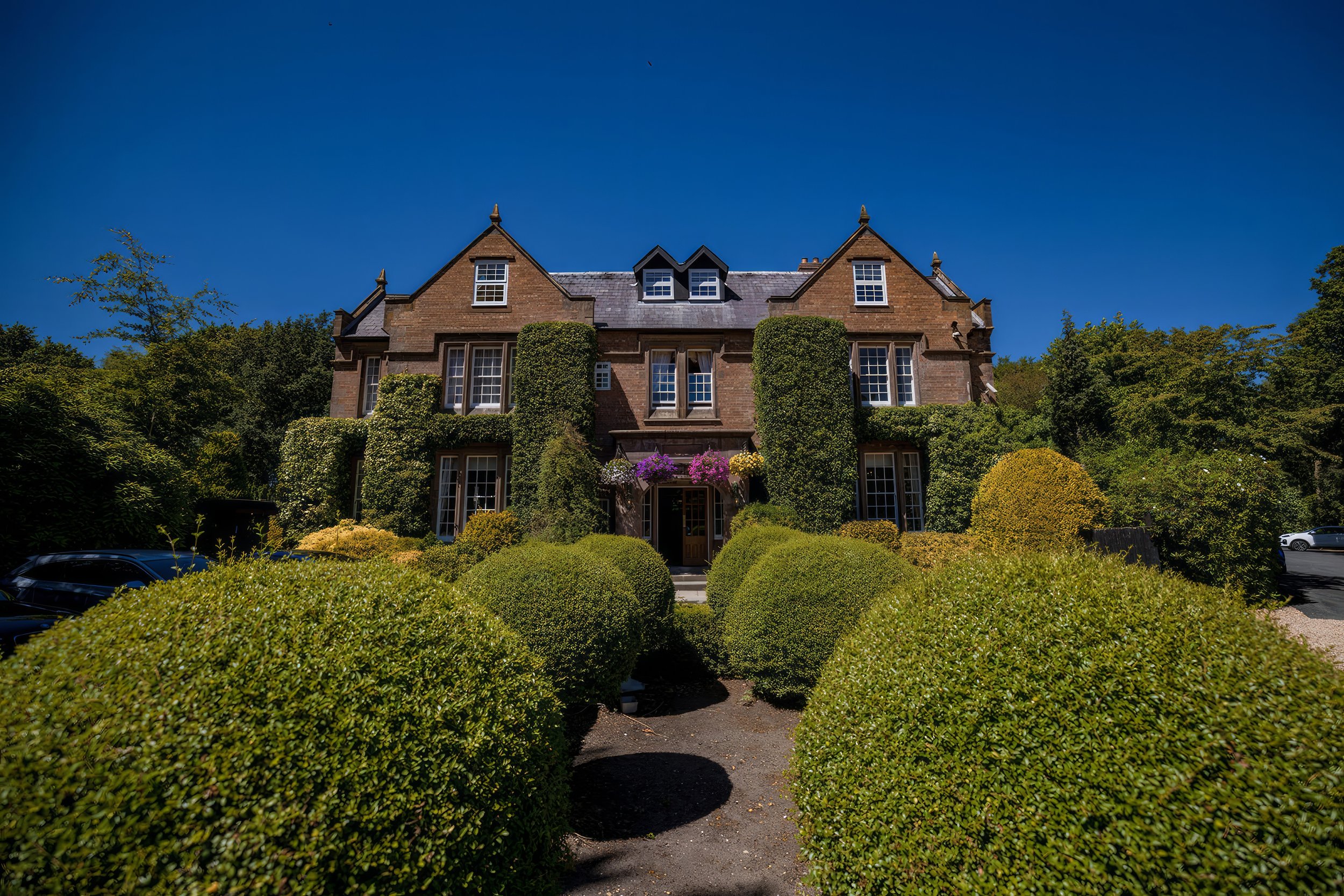
A. Yes. The Crystal Suite and Brocklebank are both indoor ceremony spaces within the house that work well when the weather isn't suitable for the Italian gardens. Both offer a more controlled environment with a consistent layout and natural light from the interior.
For the drinks reception, the house and its interior spaces provide cover if the grounds aren't accessible. The marquee is permanent and weatherproof, so the reception itself is unaffected.
Q. What time of year works best photographically at Nunsmere Hall?
A. The venue works across all seasons, but late spring and autumn produce the most interesting conditions.
Late April through June: the grounds are green, the days are long, and golden hour falls late enough to be easily incorporated into the schedule. The lake and the Italian gardens both look their best in this window.
September and October: lower sun angles, warmer light from mid-afternoon, and the forest setting takes on different colour. Golden hour falls at a more practical time - typically 5–7pm - which makes it easier to step out during the early evening.
Summer works well for outdoor ceremonies and the gardens, but can produce flat light if the ceremony and reception are concentrated in the middle of the day. Planning portrait time for later in the afternoon helps.
Winter gives you very early golden hour and a completely different quality to the landscape - the lake and forest with low winter light has its own atmosphere that isn't available any other time of year.
Q. Can you have an outdoor ceremony at Nunsmere Hall, and how does it photograph?
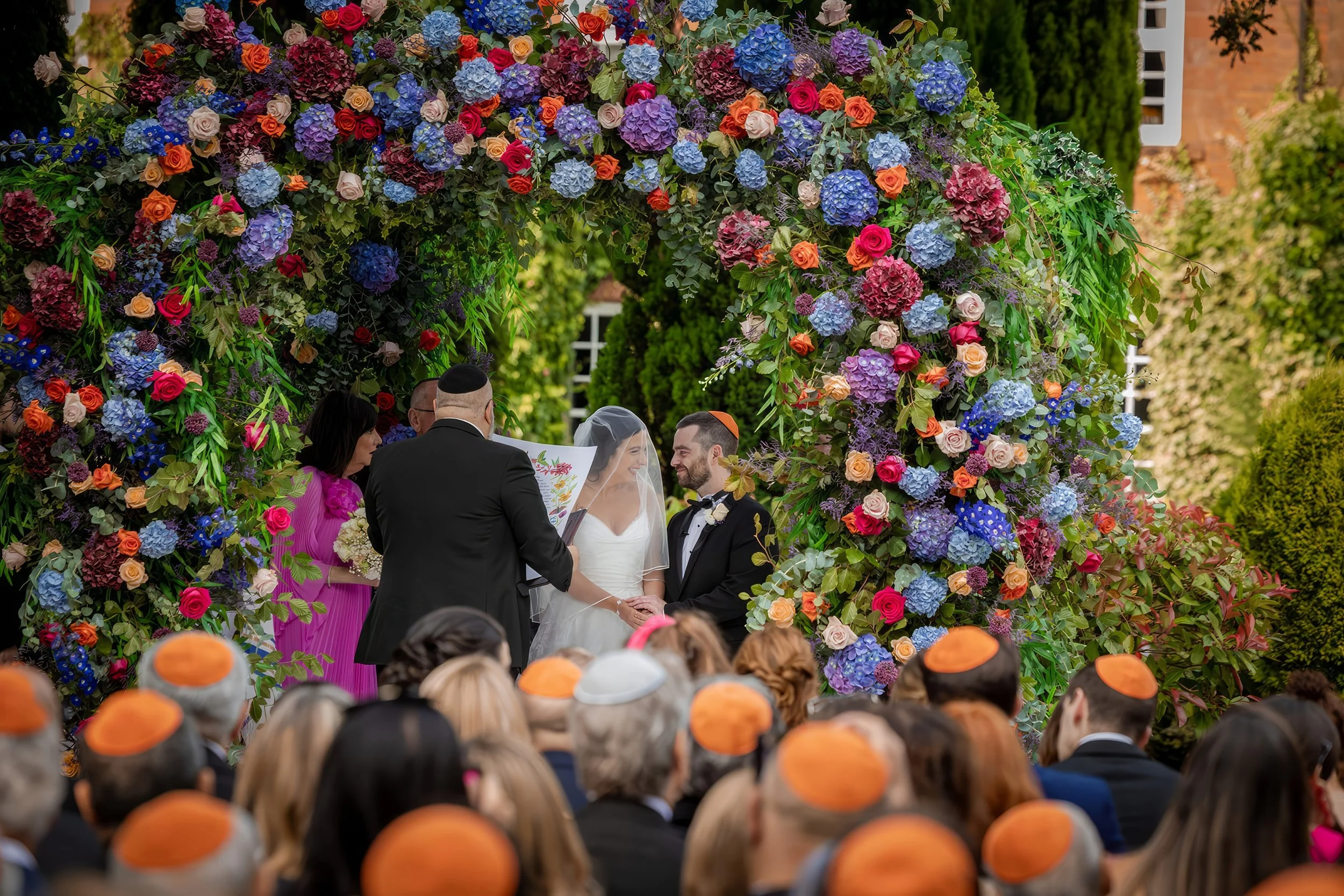
A. Yes. The Italian gardens are the primary outdoor ceremony space, and they're well-suited to photography. The structured layout - clean lines, greenery, a defined aisle - keeps the composition straightforward, and the open-air setting means natural light is consistent throughout.
The way guests are seated keeps them close to the couple, which helps with reactions and the quieter exchanges that happen throughout a ceremony. The surrounding grounds add context without distracting.
Q. Are there any restrictions on photography at Nunsmere Hall?
A. My general approach is documentary throughout - no flash during the ceremony where it can be avoided, minimal movement, no interruption to what's happening. At Nunsmere Hall, the outdoor ceremony setting means natural light is abundant during the day, which makes working unobtrusively straightforward.
Q. How early should we arrive to make the most of the venue?
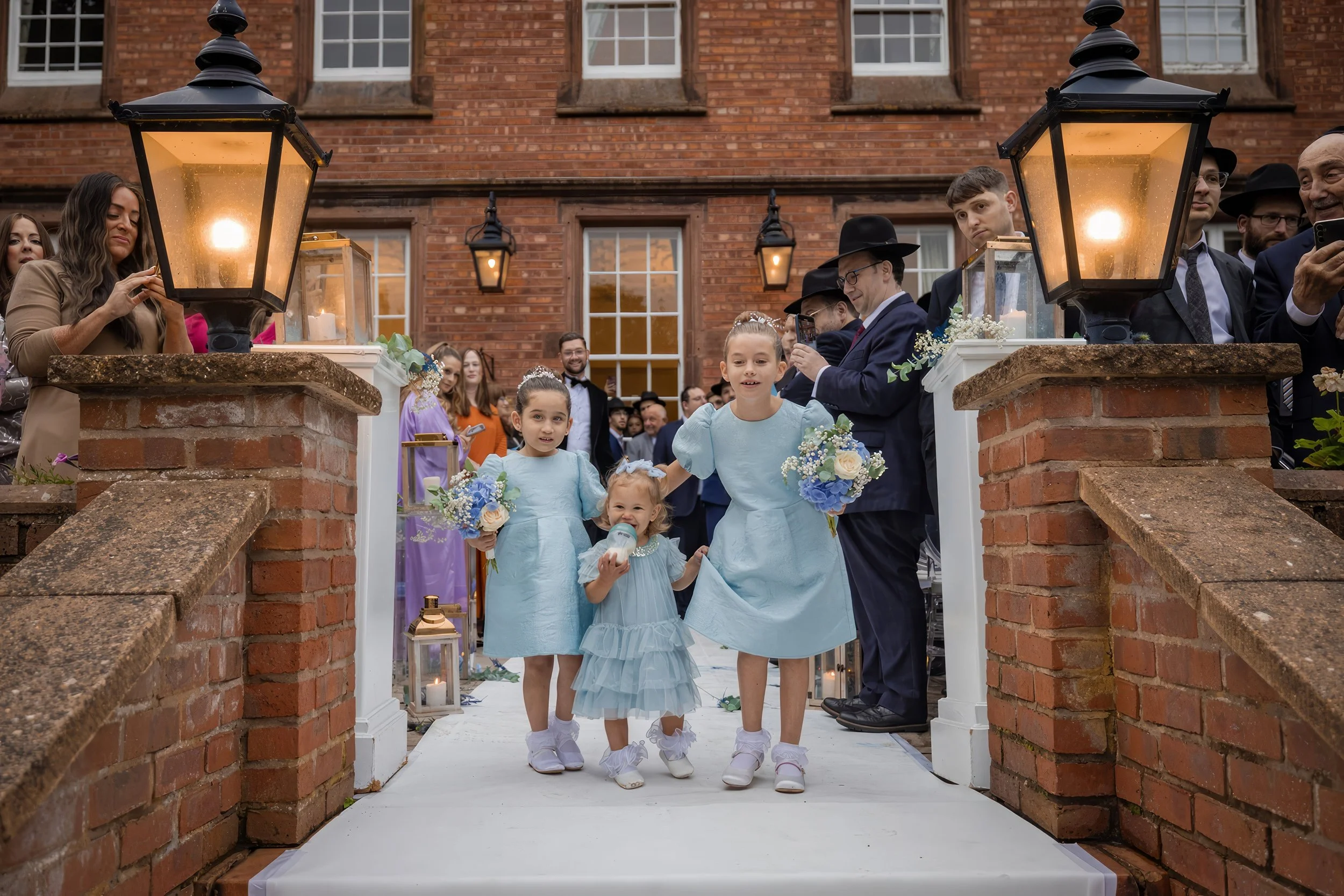
A. For bridal prep, arriving at least an hour before the photographer is due - and ideally before hair and makeup has begun - gives the morning room to breathe. The details, the setting, the atmosphere of the room before everything is finished…these are the parts that disappear when the schedule is compressed.
For couples who want to use the lake at golden hour, it's worth identifying when that falls relative to your schedule and making sure there's a five to ten minute window to step out at that point. At certain times of year that's later in the evening…at others it's timed closely with the end of the wedding breakfast.
Q. How does the getting-ready space photograph at Nunsmere Hall?
A. The bridal suites within the house are individually designed bedrooms, which gives them more character than a purpose-built preparation room. The natural light and the domestic-feeling surroundings help the morning feel relaxed rather than clinical.
Because everything happens on-site, there's no pressure from travel logistics, which keeps the pace of the morning manageable. That shows in the photographs - the atmosphere feels unhurried, which is when the best prep images happen.
For grooms, preparations tend to take place in the bedrooms of the main house in a more informal setup. There's less visual spectacle than a dedicated groom's room, but the relaxed atmosphere produces natural, personality-driven photographs - suits, last-minute conversations, the mood of the group.
Q. What does golden hour look like at Nunsmere Hall - is there a view worth planning for?
A. The lake at golden hour is the view. Sixty acres of water with the forest behind it, the light coming down at an angle across the surface - there is nothing else like it at a Cheshire wedding venue.
The quality of the light changes the lake from a backdrop into something with its own atmosphere. It's the single most visually distinctive element of the estate and the most photographically powerful moment of the day at Nunsmere Hall.
Worth planning for specifically. Even ten or fifteen minutes by the lake at the right time of day produces images that feel completely different from anything taken earlier.
Q. Does Nunsmere Hall suit a relaxed documentary approach, or does it lend itself to more formal portraits?
A. Both, and the venue provides the right setting for each at different points in the day.
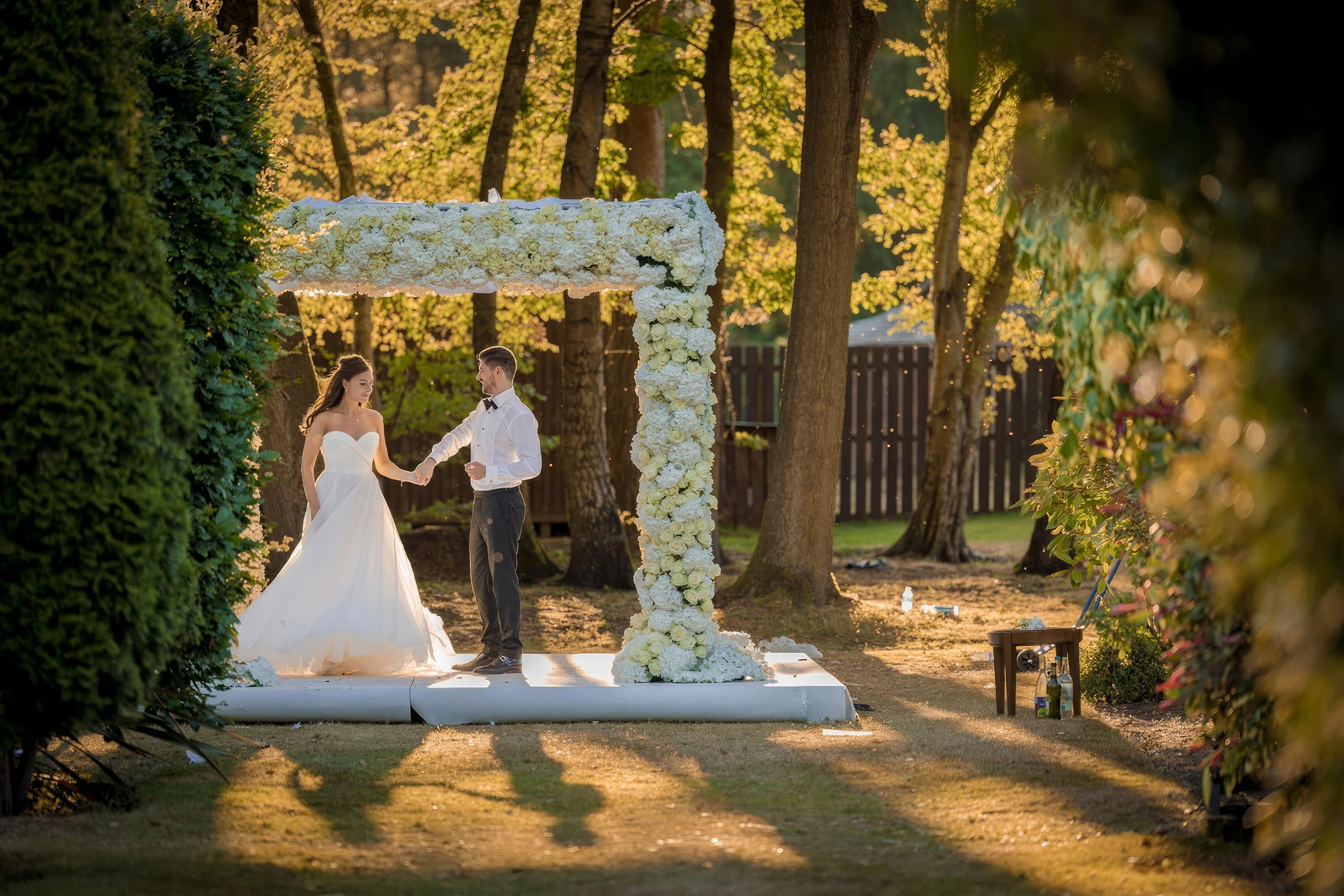
The Italian gardens invite more composed, considered portraits - the structure of the space naturally frames things in a formal way. The woodland and lake are the opposite…open, atmospheric, suited to something more relaxed.
My approach across the whole day is documentary - staying present and unobtrusive, letting things unfold. But at Nunsmere Hall, the Italian gardens and the lake at golden hour both benefit from a small amount of quiet direction. Knowing where to stand, how the light falls, when to take a few steps - these are the things that make the difference between a good portrait and a strong one.
Q. What have other couples done at Nunsmere Hall that worked really well photographically?
A. Using the Italian gardens for a quick set of portraits during the drinks reception keeps things efficient and takes advantage of the best formal backdrop on the estate without pulling couples away from guests for long.
Stepping out to the lake specifically at golden hour - even briefly - is the single highest-yield decision for photographs at this venue. The couples who plan for it come away with images that feel genuinely different from the rest of the day.
For the marquee, the way the space is lit and styled has a direct effect on the evening photographs. Warmer, more considered lighting tends to produce better results than harsh overhead spot lights.
Q. How do you work with the Nunsmere Hall coordinators on the day?
A. The venue team manage the day logistics and I work alongside them rather than around them. I'll have the schedule in advance and know when the key moments are happening. On the day, my priority is being in the right place without creating disruption - to the team, to guests, or to the natural flow of the celebration.
For outdoor ceremonies in the Italian gardens, it helps to know in advance where I can move to during the ceremony without crossing sightlines, and I'll usually walk through this ahead of the day.
Q. How do you handle the transition between spaces without losing documentary moments?
A. By knowing the venue and anticipating rather than reacting. I know where guests tend to move after the ceremony at Nunsmere Hall, how the drinks reception spreads across the grounds, and when the transition to the marquee tends to happen.
The geography of the estate is actually an advantage here - because things happen in a natural sequence and the spaces flow into each other, the transitions are readable. The challenge isn't navigation; it's being present enough to catch what happens in the in-between moments, which is where a lot of the most honest photographs of the day occur.
Q. How far in advance should we book for Nunsmere Hall weddings?
A. Popular Saturdays - particularly late spring and autumn - book up twelve to eighteen months in advance. If you have a specific date in mind, getting in touch sooner rather than later is the right approach.
Sundays and midweek dates at Nunsmere Hall tend to have more flexibility. If your wedding is closer than twelve months away, it's always worth enquiring.
Q. What's included, and how are images delivered?
A. Full coverage of the day from bridal prep through to the evening. All photographs are edited and delivered via an online gallery. High-resolution downloads are included, along with personal printing rights. Stunning wedding albums are also available.
Planning Your Wedding at Nunsmere Hall?
If you're in the early stages of planning and want to understand how the photography works across the day, these pages are a useful starting point:
Nunsmere Hall Wedding Photography- an overview of how the venue works, what I look for at each stage of the day, and what makes this setting distinctive.
Nunsmere Hall Photo Locations Guide - A guide to the best locations for portraits at Nunsmere Hall
Nunsmere Hall Wedding Gallery - Full gallery of images from real weddings at Nunsmere Hall
Real Weddings at Nunsmere Hall - a full wedding from beginning to end, with context on how the day unfolded.
Nunsmere Hall Wedding Day Timeline Guide - how to structure the day so the photography works, including the mistakes that cost couples good images and how to avoid them.
Or check availability here if you're ready to talk.